



Did you know that the human body is made up of carbon? Our body fats, DNA, and protein have components of carbon, which is the most common element that exists on Earth.
Almost everything is made of carbon including the food we eat, the items we purchase, and the air we breathe. A lot of carbon dioxide releases into the Earth’s atmosphere because of natural emissions from animals and plants through photosynthesis and respiration processes.
However, man-made carbon emissions brought by burning fossil fuels, natural gas, and oil directly harm the environment. When CO2 is trapped in the atmosphere, it disrupts weather patterns and increases the global temperature.
As an individual, there are simple efforts that you can do to lower down the carbon level like bicycling to work, eating less meat, and avoiding buying items with man-made chemicals. On the other hand, companies that run big factories are the major contributor of carbon emissions but if they make changes and contribute to saving the environment, the impact might be bigger.
To better understand the negative effects of carbon emissions, here’s a list of the major impacts of our carbon footprint on the environment and humanity.
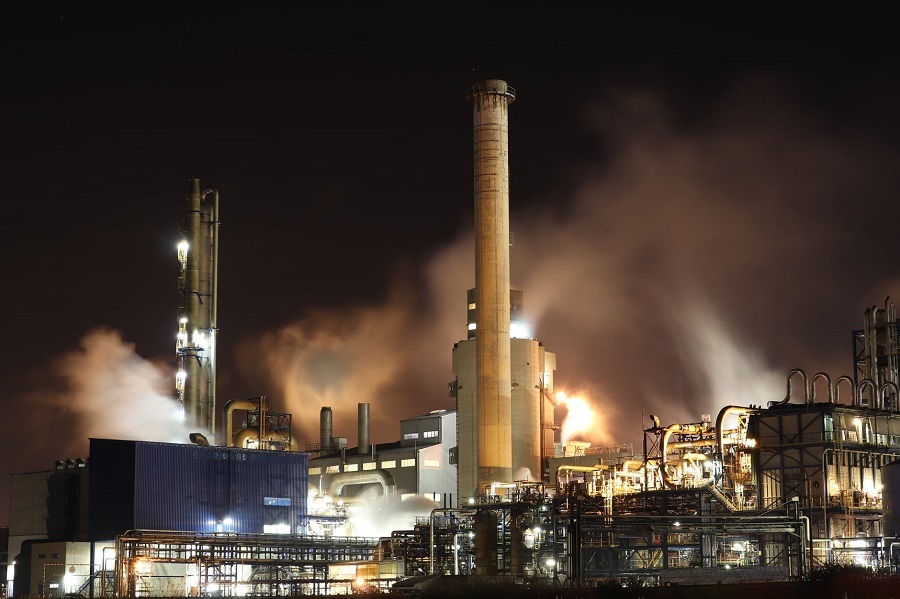
Negative Effects of Carbon Emissions You Need to Know
According to a study, the atmospheric carbon dioxide concentration continues to intensify from about 270 to 355 parts per million (ppm) compared to 180 to 200 ppm during 1700 A.D. This means that there is a rapid increase of carbon dioxide by 0.5 percent per year.
Damage to Plants and Crops

The negative effects of carbon emissions also include damage to plant growth and agricultural crops. Plants play an important role in reducing these emissions because they take in carbon dioxide and release more oxygen which balances off greenhouse effects.
Research says that vegetation, plant transpiration, photosynthesis, and growth will experience major changes as carbon emissions perpetually increase. On the other hand, the rise of temperature can shorten the life cycle of crops due to the absence of precipitation and irrigation particularly on vegetables, fruits, and nut crops.
Destruction of Stratospheric Ozone
The stratospheric ozone is the second layer of the Earth and is currently at risk of getting destroyed by ozone-depleting substances and UV sunlight. Its main purpose is to absorb the incoming solar ultraviolet radiation and other organisms that are detrimental to our health.
However, due to human activities that involve chlorofluorocarbons (CFCs) such as solvents, aerosol propellants, and refrigerants, the stratosphere is slowly diminishing.
Photochemical Smog
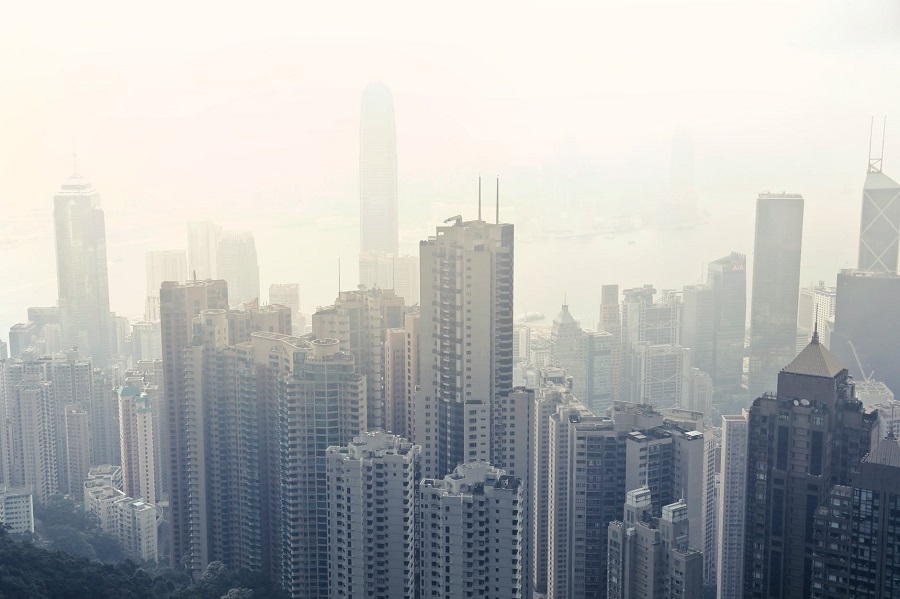
Photochemical smog is the formation of chemicals from ultraviolet light with nitrogen oxides in the atmosphere. It adversely impacts the ozone layer that protects us from harmful radiation. Another major contributor to smog is vehicle emissions especially when nitrogen oxide and fuel are mixed under the presence of sunlight.
Exposure to photochemical smog may damage a person’s lungs and heart even in the short term. It can hurt our respiratory stem that can trigger asthma attacks and increased hypersensitivity reactions.
Acid Rainand Nitrate Particulates
Like photochemical smog, the common source of these primary pollutants is high-temperature combustion from vehicles and industrial processes. It promotes a high volume of aluminum that could destroy ecology, especially the aquatic environment.
For instance, thousands of fish species are acid-sensitive which could lead to the inability to hatch and sometimes lead to death. Moreover, acidic water is highly critical for many plants and animals.
Greenhouse Gas
Greenhous gas is one of the common negative effects of carbon emissions. Unfortunately, greenhouse gases continue to accelerate and reduce the chances of Earth's survival.
To sum it up, here are the long-term effects of greenhouse gases:
- Changes in weather patterns
- Extreme weather such as flood, tornado, hurricane, blizzard, and dust storm
- Limited food supply
- Respiratory problems from smog and air pollution
- The disappearance of certain species
- Wildfires