


Whether you're a skincare junkie with an eight-step or minimalist routine or a rookie just beginning to dabble with various products, you've probably come across "retinol" at one point or another. But what is retinol? And should you incorporate it in your own skincare routine?
Retinol: The What, Who, When, and How
What Is It?
Retinol is a type of retinoid. What are retinoids? These are vitamin A derivatives that are often used in over-the-counter (OTC) formulas and prescribed by dermatologists for their anti-aging properties and effectiveness in reducing and preventing acne scars.
According to the American Academy of Dermatology, retinoids are "skincare powerhouses." Adapalene is both used OTC and prescribed for acne treatment. Tretinoin, tazarotene, and trifarotene are also topical treatments prescribed for acne, while isotretinoin is a prescribed oral medication for severe acne.
Retinol, on the other hand, is used to help even out skin tone and improve pigmentation and texture. It is available in many OTC skin products, often mixed in serums, creams, and toners.
In a report by Allure on Aug. 3, 2022, board-certified dermatologist Dr. Caroline Chang said retinol is the most common retinoid in skincare products and is the alcohol formulation of vitamin A. While less irritating than tretinoin or retinoic acid, Chang said it is "also 20 times less potent because it needs to convert into retinoic acid."
Who Should Use It, When and How?
If you're just starting out on retinoids or want to incorporate it into your skincare routine, it is recommended to consult with a board-certified dermatologist first for advice.
Once you get the go-ahead, begin by using only a small amount of retinol product on your skin. Make sure to do a patch test first to see if you will have any irritation or allergic reaction.
According to Medical News Today, you may use retinol if you want to improve the appearance of your skin, protect against the breakdown of your collagen and stimulate collagen production, and treat acne and fight bacteria that can cause blackheads, whiteheads, pimples, and cystic acne.
The Cleveland Clinic recommends you start slowly and use retinol once every couple of days or twice a week. If no irritation occurs, you can increase your usage to once or twice per day.
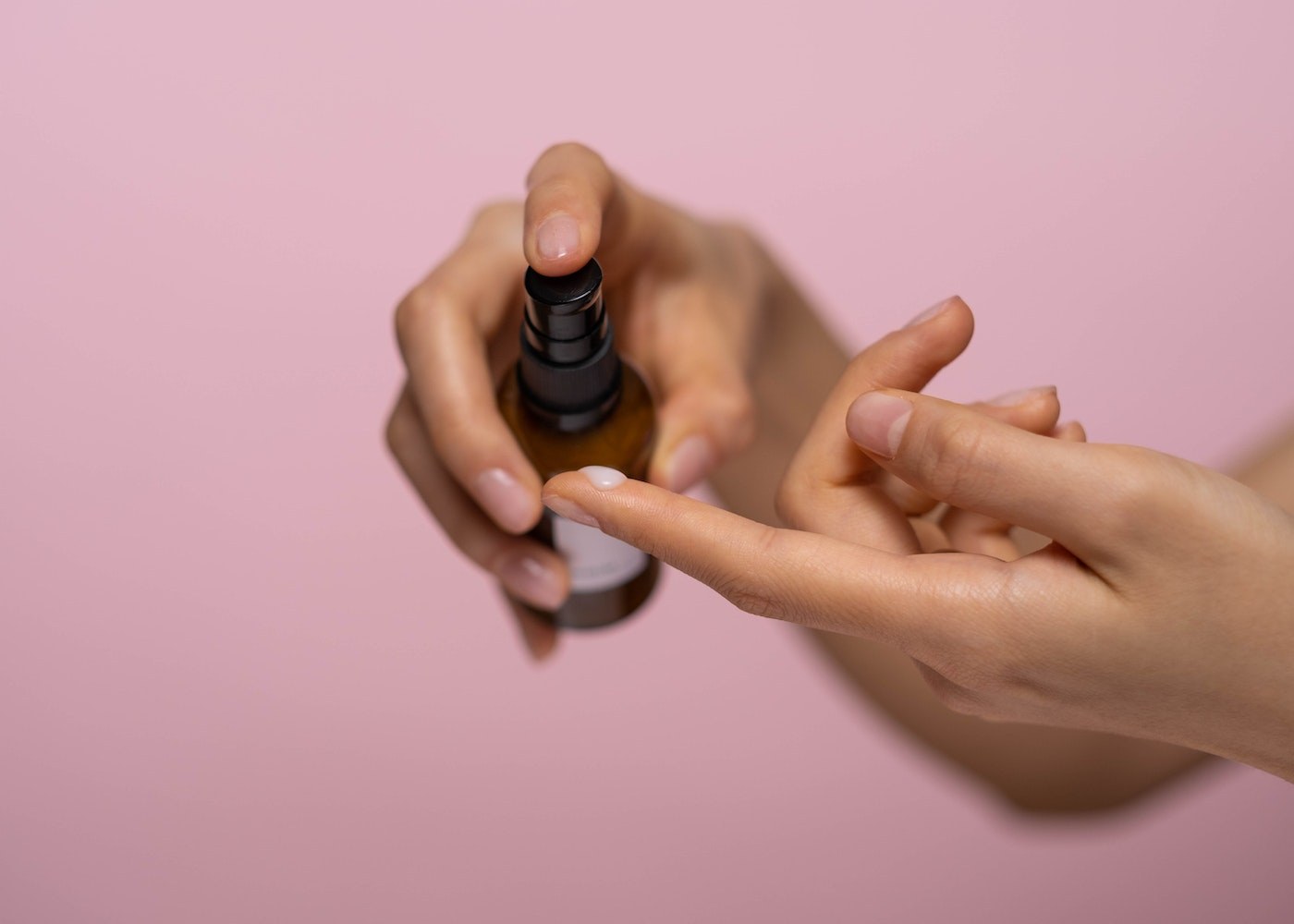
To use retinol, simply take your retinol-based product or formulation and apply a thin layer on your clean face using a pea-sized amount. Then, follow it up with your moisturizer of choice.
The Philippine Dermatological Society (PDS) also advised to use retinoids at night only and to wear sunscreen every day. Stay out of the sun as well and consistently use the retinoid for three to six months to see initial improvements. It would take around six months to a year for remarkable results.
Benefits and Side Effects

Apart from treating acne, acne scars, dark spots, and wrinkles, retinol also has many benefits for other skin concerns like large pores, psoriasis, and stretch marks. The Cleveland Clinic says retinol can help reduce stretch marks caused by pregnancy, weight gain and weight loss, and slow down cell overgrowth and inflammation for those with psoriasis. Topical retinol may also prevent clogged pores and treat large ones by increasing cell turnover.
Side effects, on the other hand, are not just limited to retinol but other retinoids. PDS outlined some possible side effects, including dryness, peeling and flaky skin, changes in skin color, sensitivity to sunlight, redness, itchiness, burning sensation, and irritation like swelling, crusting, and blistering.
Recommended Retinol-based Skincare Products
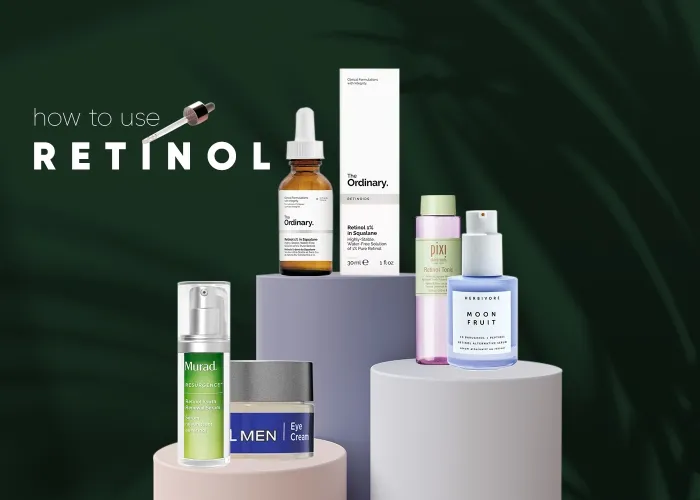
- Moon Fruit Retinol Alternative Serum by Herbivore Botanicals
- Retinol Tonic by Pixi
- Retinol 1% in Squalane by The Ordinary
- Retinol Men's Eye Cream by Skincare Cosmetics
- Retinol Youth Renewal Serum by Murad