We love our pets, and we also love the environment. We can shower our fur babies with all the toys and food they love, but finding ways to treat the latter better has been quite a challenge up until today. The good news is you can love both equally! It will take a little getting used to, but one step at a time is better than not doing anything at all. Here’s how you can get started.
Skip the Commercial Pet Food and Find Protein Alternatives
As much as we want to spoil our pets and give them a nice meal, traditional protein sources such as beef and lamb contribute to the release of greenhouse gas emissions such as carbon dioxide (CO2) and methane. It’s pretty much the same issue with us consuming meat. Good thing, there are protein alternatives out there, and some of them are even better source of nutrients!
Cricket powder, for instance, contains two to three times more protein than beef, chicken, fish, and pork. It’s also rich in vitamin B12, essential amino acids, and chitin, a prebiotic fibre that aids in good bacteria growth in the gut. You can use this as an ingredient to make your own treats or you can just buy these bite-size Laika treats (THB150) that look like cookies if you don’t trust yourself in the kitchen.
Choose the Right Material for Your Pet’s Toys
Avoid anything synthetic and choose toys made of bamboo, hemp, cotton, natural rubber, or wood. If these materials are from ethical and sustainable sources, the better. Inspect the toys carefully as well to see if they’re durable enough. There’s no point in trying to be sustainable if you often end up buying new toys after a few chews and tugs.
Toys made of upcycled materials like fabric scraps are also a good choice as they’re given a new life instead of being thrown directly to landfills. But if you can’t find one anywhere, you can make it yourself out of your old clothes!
Avoid Clay-based Animal Litter and Find Biodegradable Ones
Clay-based litter may be the most common and cheapest option out there, but it isn’t biodegradable and will continue to sit in the landfill for many years. While some argue that it’s a better option than synthetic, it’s a naturally occurring soil mineral that requires mining. Strip mining is destructive as it involves removing trees, plants, and topsoil, which can damage habitats and cause soil erosion. Moreover, clay-based litters are often mixed with silica which generates dust that can irritate those with respiratory issues. It’s not only bad for the environment, from sourcing until fulfilling its purpose, but also for your health.
What you can do instead is buy litter that use natural biodegradable materials, such as coconut or walnut shells, animal bedding, and dried wood shavings and sawdust. You can also try getting this Meesook Cat Sand (THB399) by Pet Smile and Tom Casava as it’s locally sourced and made of rice straw and cassava stump.
Reduce Pet Overpopulation by Adopting, Spaying, and Neutering
You’ve probably heard of the lines “Adopt, don’t shop!” somewhere. It’s a simple message yet it’s challenging to get the idea across. Adoption gives a second life to animals and reduce the demand for backyard breeders who don’t practice eco-friendly and humane ways of raising them.
If you do adopt, the next step is to have your pets spayed or neutered. Many shelters already do this, but in case you adopted yours from a relative or you picked a random one from the streets, it’s best to bring them to the vet. Pet overpopulation has been a huge problem worldwide. The more animals there are, the more we’ll need to house and produce food for them. It’s a never-ending cycle that impacts us and the environment unless we do something about it.
Subscribe to The Beat's newsletter to receive compelling, curated content straight to your inbox! You can also create an account with us for free to start bookmarking articles for later reading.
“At PIPATCHARA, we call ourselves ‘fashion for community.’”
Transforming waste into craft is truly an art in itself. As we appreciate these remarkable creations, we must acknowledge the artisans behind them — PIPATCHARA.
Founded in 2018 by Bangkok-based sisters Pipatchara “Petch” and Jittrinee “Tubtim” Kaeojinda, this innovative fashion label has redefined style through a unique commitment to sustainability. The brand quickly garnered attention in the Thai fashion industry, making a significant impact with the launch of its inaugural collection.
Starting their fashion journey with a passion for macramé, Pipatchara has incorporated this signature element to create hand-knotted patterns using recycled materials, and their “Thea” basket bags exemplify this creativity. The brand gained significant attention when Lalisa Manobal wore a stunning custom-made outfit at the 2024 F1 Monaco Grand Prix. This two-piece ensemble, composed of 1,800 pieces of recycled plastic waste — including gold bottle caps and plastic containers — embodied the label’s avant-garde vision and environmental consciousness.
Pipatchara’s unique creations not only make bold fashion statements but also challenge the conventional notions of what fashion is, prompting deeper reflections on its significance and impact in today’s world.
Lalisa Manobal wearing PIPATCHARA | Courtesy of PIPATCHARA
The brand not only transforms waste into creative products but also supports artisanal craftsmanship and generates income for local communities. When PIPATCHARA introduced the macramé knotting technique, they collaborated with artisans from various Thai communities to create eco-conscious and aesthetically pleasing products. Additionally, they began focusing on using recycled plastic waste, such as marine debris, plastic bottle caps, food containers, and more.
PIPATCHARA has received acclaim from fashion aficionados and has made a significant impression at prestigious events such as Dubai Fashion Week and London Fashion Week. As the brand continues to craft distinctive pieces for women and explore innovative creative avenues, it's also expanding its focus to include men’s fashion.
Following a series of successful collaborations with notable brands such as Thai Airways, Nestlé, Swarovski, Shokubutsu, and Kimpton Maa-Lai Bangkok, PIPATCHARA has recently partnered with Grey Goose to host an exclusive event titled “On the Guestlist.” This collaboration also marks the launch of limited-edition, sustainable, unisex bags crafted from 100% recycled fishnets and canvas.
The Beat Asia spoke with Pipatchara “Petch” Kaeojinda to discuss the brand’s target audience, how it has achieved significant international presence, her perspective on sustainability, and her approach to working with local artisans in creating collaborative pieces.
Dubai Fashion Week | Courtesy of PIPATCHARA
From Passion to Purpose
(From left) PIPATCHARA's Collaboration with White Balance and Thai Airways | Courtesy of PIPATCHARA
PIPATCHARA's endeavor to establish a community-driven fashion brand is led by Kaeojinda sisters Petch and Tubtim. Although the duo possesses distinct passions, both are fundamentally rooted in art and craftsmanship. Their core mission is to intertwine high-end fashion with sustainability, empower their community, and highlight intricate artisanal craftsmanship.
”We started in 2018 as a ‘fashion for community,’ [because] we want the community to be involved in our creations. My sister has worked closely with the community and is deeply committed to sustainability, like she has that ‘kind of heart,’ and she's really into it,” Petch explained.
While Tubtim specializes in sustainability, Petch serves as the Head Creative Director and Co-Founder of PIPATCHARA, embodying the brand's creative vision. Prior to establishing her label, Petch earned her degrees in Fashion Design from the Academy of Art in San Francisco and was honored with a prestigious accolade from École de la Chambre Syndicale de la Couture Parisienne. Following her graduation, she gained experience at renowned fashion houses such as Ralph Lauren in New York, Chloé, Anessa Bruno, and Givenchy in Paris. Upon returning to Bangkok, she took on a designer role at Jaspal. Petch's journey has been a remarkable one, from learning the local language in Paris to acquiring hands-on skills.
“I feel like everything is about the learning point. For me, I felt so fortunate to work at those big houses because it was my goal since I was a kid,” she reflected.
Dreaming big and making her dreams a reality has always been Petch's strategy, a focus she maintained for 10 to 12 years.
“I worked really hard. It wasn't easy at all, but I dedicated everything I had to secure an internship at Ralph Lauren. They offered a scholarship to study in Paris, and I seized that opportunity. The path to achieving my goals has been long and challenging, but it’s been worth it.”
"I brought that hard work and experience into my company. I genuinely felt like I was starting from scratch, but I wasn't afraid of it. I never expected that PIPATCHARA would grow this quickly," she shared.
With a deep passion for craftsmanship and a commitment to community collaboration (such as all the weavers and teachers involved), PIPATCHARA reflects Petch's dedication and expertise.
From Bottles to Bags: The Transformative Journey
PIPATCHARA MaaLai Library Collection | Courtesy of PIPATCHARA
PIPATCHARA’s first creation, the macramé strap Sama Box bag, had set a high standard for niche products. Customers were eager to purchase something different, rather than items that were already widely available. The most valuable aspect of this journey has been the feedback from customers and how PIPATCHARA adapted its collection based on their input, especially during the first two to three years.
“They want to buy something unique that you can’t find anywhere else. People often ask, ‘Where is it from?’ These were my original customers who genuinely appreciated our brand, and their feedback helped us grow and develop our offerings," shared Petch.
Petch beautifully articulated that the true architects of the brand's expanding presence are its customers and the audience they engage.
“I feel that our customers are becoming more prominent as their voices reach a wider audience. When they talk about us, it creates a ripple effect,” she explained. “The reason we’ve become a brand that people discuss is not merely because a particular piece is outstanding. Instead, what really matters is that conversations about our brand are spreading through word of mouth. As a result, people have started to explore PIPATCHARA and engage in discussions about the brand.”
Crafting Sustainability: The Role of Thoughtful Design in Pipatchara's Success
Petch highlights that PIPATCHARA's commitment to sustainability has been ingrained from the very inception of the brand.
"I love leather; I can't work a day without it. However, I told my sister that leather is not a sustainable material. A certain percentage of chemicals is needed to process it; otherwise, it won't be true leather. My sister explained that the way we engage with the community is how we grow. Sustainability isn’t just about the materials used; it’s also about the long-term relationships we build with individuals and communities," expressed Petch.
Barbara Palvin-Sprouse Wearing PIPATCHARA | Courtesy of PIPATCHARA
When it comes to sustainability, PIPATCHARA emphasizes the meticulous processes involved in crafting each piece.
“The way we engage with our customers and the community remains consistent. If you see each collection, it features art and craftsmanship because we go up north to teach local artisans how to create these pieces. My sister describes our approach to sustainability as building a community that we collaborate with every season. We’ve been doing this for about eight years, and it’s something we’re very proud of. Not easy though, but something we're proud of.”
Courtesy of PIPATCHARA
Petch shared that collaboration on the Thai Airways project serves as a prime example of their innovative approach to ideas and concepts.
“We had this plastic cap that we didn't know how to use, and I was determined to figure it out. It was my passion to do something meaningful because it was something I wanted to touch, see, and feel every day.”
When individuals consult Pipatchara about the potential for recycling certain materials, the initial step involves a thorough evaluation of those materials.
“I consider the brand and think about the value it will provide afterward. I believe that when you collaborate with a local brand, it's essential to create value or contribute positively to the partnership. Otherwise, it’s just business. Working with local brands allows us to expand our impact and create goodness not only for ourselves but also for their brands.”
Aqua R Us Collection | Courtesy of PIPATCHARA
“My sister insists that we avoid using new plastic or defective pieces from the factory. Instead, we should utilize materials that have already been discarded, particularly household waste. In our first month, we were able to create only 30 pieces, as that's all the trash we could find, especially in attractive colors like purple or pink.”
Pipatchara has numerous avenues for acquiring materials, yet they opt to source waste rather than engage with flawed items.
“Another example is our collaboration with Shokubotsu, where we set up a machine for people to return bottles. This way, we can recycle the materials. However, because we rely on trash, we can't produce a full collection as we don't have enough trash — supply is limited.”
At the end of the process, we typically produce about eight bags, while the rest consists of dresses. It may sound unusual, but this part of the operation can be quite challenging because, honestly, we sometimes struggle to gather enough materials. As a result, customers either have to wait for their orders or we implement a pre-order system.
On the global front, PIPATCHARA has been displaying its innovative designs at prominent fashion events in cities such as Paris, New York, London, and Dubai, thereby elevating the profile of Thai sustainable fashion on the world stage. Petch mentioned that they are seeking a market or audience that genuinely appreciates the story behind the brand and its concept. The ultimate goal is not merely to generate profit but to engage people in understanding what the brand represents and what it aims to achieve.
In June 2025, PIPATCHARA hosted a fashion show at the Sea Life Aquarium in Siam Paragon, partnering with UBE Group (Thailand) for their "AQUA-R-US" collection. This project was dedicated to transforming discarded fishing nets into sustainable, eco-friendly fashion, aiming to repurpose marine waste into high-quality nylon and create elegant apparel and accessories.
When PIPATCHARA decided to use leftover fishing nets to add value to them, Grey Goose expressed interest in collaborating.
“We have been in discussions with Grey Goose Moments for about eight to nine months. We talked extensively about the project. It needed to be unisex and versatile. This was the first time we ventured into men’s fashion. Imagine transforming fishing nets that people no longer wanted into something viable, rather than just perceived as trash. This is precisely what Grey Goose was looking for in our collaboration.”
Infinitude Bag | Courtesy of PIPATCHARA
When asked about the standout pieces from the collection, Petch highlighted one of her favorites, the Infinitude bag, an innovative creation that transforms recycled materials into wearable art.
“I love that people appreciate the plastic version of the Infinitude bag. I truly value those who love it and the discussions it has sparked. I also adore the pieces that incorporate jade.”
Working with the community is essential for Pipatchara, and thus, they continue offering their macramé collection. Some community members find it easier to work with rope rather than plastic, leading to a distinct approach in their craftsmanship. This year, they have introduced more pieces to further support and sustain these vital community ties.
When discussing PIPATCHARA's sustainability values — such as durability and thoughtful design — Petch emphasizes the crucial influence customers had in shaping the brand's identity. For instance, enthusiasts have engaged with their artwork crafted from Yakult probiotic bottles, contributing to the Infinitude piece, as well as the Singha bottles utilized in the Transformation Bag.
“I believe the experience allows customers to learn a great deal about each piece. It's not just about me presenting them; it's about the customers connecting with the items they carry. And that's the essence of it. That was my main focus when considering the marketing strategies for PIPATCHARA.”
This interview has been edited for length and clarity.
Enjoyed this article? Check out our interviews with fashion designers here.
Get the latest curated content with The Beat Asia's newsletters. Sign up now for a weekly dose of the best stories, events, and deals delivered straight to your inbox. Don't miss out! Click here to subscribe.
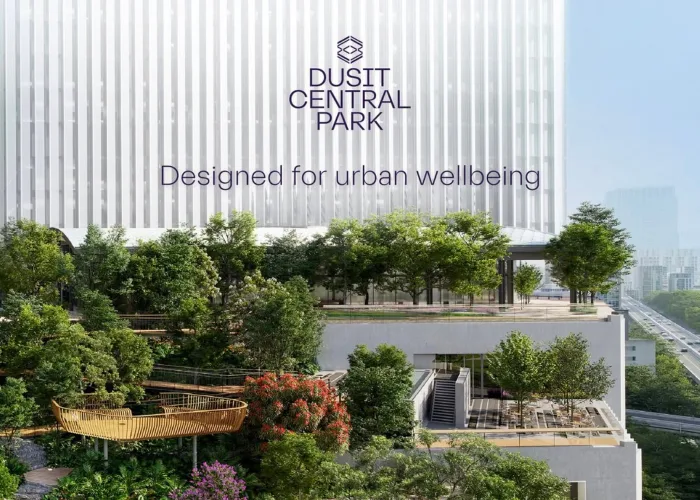
Bangkok just got a new green landmark. Vimarn Suriya Company Limited, the joint-venture behind the world-class Dusit Central Park development, has officially unveiled the Dusit Arun at Dusit Central Park, Thailand’s largest urban roof park.
Spanning 7 rai (11,200 sq.m), the elevated park space features an extended park view that seamlessly connects to Lumpini Park. More than just an urban green space, Dusit Arun has been designed as an inclusive sanctuary for well-being, nature, and healing — open for all ages, genders, and lifestyles.
The Dusitpini Amphitheatre | Courtesy of Dusit Central ParkBird's Nest Viewpoint | Courtesy of Dusit Central ParkSawasdee Bangkok Viewpoint | Courtesy of Dusit Central ParkThe Terrace | Courtesy of Dusit Central Park
Highlights of this newly opened urban roof park include the Dusitpini Amphitheatre, an urban recreational space to enjoy a wide variety of activities; the Bird Nest Viewpoint, offering a panoramic view of the city skyline amidst the greenery; the Sawasdee Bangkok Viewpoint, giving visitors a new perspective of Bangkok; The Terrace, an activity zone that also serves as a meeting point and striking photo spot; Cascade 2513, a waterfall area inspired by the signature nine-step waterfall of the original Dusit Thani Bangkok hotel; The Plaza, a lush green lawn to relax in nature; D Garden, a green haven reserved for residents of The Residences at Dusit Central Park; and The Courtyard, designed to accommodate small-scale activities in a relaxed and welcoming atmosphere.
Cascade 2513 | Courtesy of Dusit Central ParkThe Plaza | Courtesy of Dusit Central ParkD Garden | Courtesy of Dusit Central ParkThe Courtyard | Courtesy of Dusit Central Park
Beautifully blending “Dusit,” symbolizing peace and paradise, and “Arun,” the first light of day, representing new beginnings. The park represents this fully: a lush expanse of green space that restores the body and mind at any moment of the day, just in the heart of Bangkok.
The Dusit Arun at Dusit Central Park is open daily from 6 AM to 10 PM. For more information, news, and activities, visit the Dusit Central Park website here, follow their Instagram and LINE Official.
Location: 4th to 7th Floor, Dusit Central Park, 27/2 Soi Yommarat, Phra Nakhon, Bangkok City 10500
Opening Hours: Daily, from 6 AM to 10 PM
Get the latest curated content with The Beat Asia's newsletters. Sign up now for a weekly dose of the best stories, events, and deals delivered straight to your inbox. Don't miss out! Click here to subscribe.
Wonderfruit, one of Thailand’s biggest immersive festivals, is holding its 10th anniversary edition from Dec. 11 to 15, 2025, at The Fields, Siam Country Club in Pattaya, Chonburi!
The festival offers five days filled with multi-sensorial experiences, rooted in sustainability and a deeper connection to the land.
With this year’s festival branded as “A Decade of Wonder,” this milestone edition honors the 10 years of culture, creativity, and community, while laying the groundwork for evolving into a year-round cultural platform.
This year is looking to be very special with more things to look out for, including evolving site-specific projects like Sonic Minds, establishing new residencies with talents across Asia, completing the next phase of landscaping and rewilding projects, and expanding The Fields to host year-round activities — balancing cultural expression and celebration.
Courtesy of Wondefruit/Website
Tickets went live for 72 hours from June 9 to 12, 2025, at 6 PM local time on Ticketmelon. Tickets were priced at THB8,900 for a 5-Day Full Pass. Afterwards, prices will increase to an undetermined amount, and At-Door tickets will be available for THB20,000, if any tickets remain. More ticket options, such as the Weekend Passes and Program Passes, will be made available in the future.
Wonderfruit 2025: A Continued Exploration of Creation and Connection to Mind, Nature, and Sound
Just in time for the 10th anniversary of the festival, Wonderfruit will be planting over 5,000 new trees across the festival grounds, continuing their rewilding efforts since 2022. Guests can expect fresh jackfruit, mangoes, and even berries that were harvested on-site, feeding into Wonderfruit’s farm-to-feast offerings.
In architecture, over 40 venues are being reimagined to harmonize better with the land. Highlights of this include a redesigned Creature Stage amphitheater, the introduction of the Molam Theatre that celebrates Thai Isaan culture, and Baan Bardo, a mazelike space for sonic journeys and sacred rituals.
Courtesy of Wondefruit/Website
The Sonic Minds program will also be taken to new dimensions with live hybrid performances that bridge music, art, and science. The program will also see the connection between musicians and artists from other disciplines to create hybrid experiences where sound is the foundation of entirely new forms of creative expression.
Of course, ritual and wellness remain at the heart of the festival. This year, the Wonderness program will be exploring consciousness through breathwork, meditation, and herbal healing sessions rooted in Thai traditional wisdom and healing at the newly expanded Medicinal Plant Village.
Courtesy of Wondefruit/Website
For three consecutive years, Wonderfruit has kept its zero-landfill commitment, and this year sees a continuation of that through the use of reusable napkins, compostable seating, and a low-waste bar system.
Wonderfruit is more than just a festival; it’s a landmark cultural moment that celebrates a decade of intentional creativity, care for the environment, and a community of like-minded individuals.
Visit the Wonderfruit website here, and follow their Facebook and Instagram pages for more updates.
Get the latest curated content with The Beat Asia's newsletters. Sign up now for a weekly dose of the best stories, events, and deals delivered straight to your inbox. Don't miss out! Click here to subscribe.
JW Marriott Khao Lak Resort & Spa unveils Southeast Asia's first fully circular beachfront experiential tasting menu, Sown & Reborn, a six-course dining experience like no other.
Offered at the resort’s newly redesigned Drift Beach Bar & Grill, one of Khao Lak's top culinary destinations, this event highlights the beauty of upcycled ingredients, sustainably sourced local seafood, and organic farm produce from the resort's very own JW Garden.
Curated by Cluster Director of Culinary, Silvano Amolini and Chef de Cuisine Khun Eak, the Sown & Reborn experience begins with an optional pre-dinner guided tour of the resort’s 27-acre garden, where one of the resort’s chefs will explain the sustainable produce used in their meal.
Courtesy of JW Marriott
Guests will be welcomed by variety of canapés, guided by a resort chef for a tasting session featuring delightful circular and farm-fresh appetizers. Additionally, they can enjoy yoga and wellness sessions, birdwatching tours, and other garden activities.
There will be an introduction by Executive Chef Silvano, where he will dive into how he repurposes food leftovers, such as potato skins, discarded coconuts, and watermelon husks.
The first course of the six-course tasting menu is the JW Garden Duck Egg crispy poached duck egg paired with repurposed potato espuma and fresh morning glory, followed by the savory Umami Power and Prawns, a vegetable-powered broth similar to tom yum soup.
Courtesy of JW Marriott
Guests will be treated to flavors that are as surprising as they are delicious. The third course shows off JW Garden’s seasonal bounty in JW Garden Chicken Egg with smoked eggshells tagliatelle and vegan Bolognese, featuring smoked egg shell tagliatelle made from recycled bread crusts.
The fourth course marries the snapper and grouper, sourced from a natural farm in Rawai, South Phuket, which handles the fish with chemical-free practices and an all-insect diet.
Courtesy of JW Marriott
As the evening unfolds, dessert takes center stage with innovative sweets crafted from Nipa Palm sugar, part of the resort’s reforestation program that supports local communities. And perfectly complementing your meal, a selection of thoughtfully crafted signature cocktails, made using sustainable or upcycled ingredients, are available to complete your experience.
Beyond The Sown & Reborn initiative, sustainability touches every aspect of the resort’s operations. In just three months this year, JW Marriott Khao Lak has converted over 8.5 tons of food waste into compost, repurposed 4 tons of food scraps into circular pasta and jams, and even transformed coffee ground leftovers into fuel and fertilizer.
For more information and bookings, visit JW Marriott Khao Lak on their website, Instagram and Facebook and X (formerly known as Twitter).
Get the latest curated content with The Beat Asia's newsletters. Sign up now for a weekly dose of the best stories, events, and deals delivered straight to your inbox. Don't miss out! Click here to subscribe.
Returning for its ninth edition from Dec. 12-16, Wonderfruit 2024 transforms The Fields at Siam Country Club, Chonburi into a vibrant celebration of art, culture, music, and nature. Over 99 hours, attendees (or the so-called Wonderers) are invited to explore thoughtfully curated experiences spanning music, wellness, architecture, and cuisine — all crafted to foster a deeper connection to mind, nature, and community.
Step into a world where rituals and performances bring cultural practices to life, and let your curiosity guide you through moments of awe and inspiration! Whether it's through immersive installations, mindful workshops, or unforgettable musical acts, let our ultimate guide help you make the most of your festival experience.
What to Expect: Art, Music, Nature, Wellness, & More
Wonderfruit 2024 offers a diverse array of stages and spaces, each designed to immerse Wonderers in unique experiences that blend music, art, culture, and nature. From serene sanctuaries and lively cultural villages to hidden dance havens and culinary explorations, these stages invite festivalgoers to connect deeply with themselves, each other, and the surrounding environment.
Here's a glimpse into the many vibrant spaces awaiting discovery at Wonderfruit:
Creature Stage: Playful performances with a renewed spirit, offering diverse sounds and experiences to inspire wonder.
Ancestral Forest: A space for intimate performances, workshops, art, and a medicinal garden enriched with Thai herbs and indigenous wisdom.
Wonder Kitchen: Main dining venue with themed feasts focused on tradition, food as medicine, and sustainability.
Enfold: Serene courtyard for immersive live performances and ambient soundscapes powered by Sonos Libra.
Dhyana: A realm of universal rituals and workshops led by master practitioners, exploring offerings, mantras, and symbolic gestures.
Ziggurat with Singha: Open-air beer garden with live music, cocktails, and a laid-back, friendly vibe.
Forbidden Fruit: Lakeside dance haven with cosmic disco under a starlit, fabric-enclosed space.
The Quarry: Jungle retreat with synthy grooves, immersive lights, and a nature-filled all-night music experience.
Molam World: Celebration of Isaan culture with art, food, and traditional music in a lively village setting.
The Unconditional Space: Sanctuary for rituals and workshops that explore connection and the interconnectedness of beings.
428: Multi-sensory space connecting elements through dynamic experiences.
Neramit: Creative lab and culture hub with music from regional selectors sharing rare sonic treasures.
Solar Village: Architectural gathering point to celebrate sunrise and sunset in harmony with nature’s rhythm.
For a complete list of spaces, workshops and activities, performers, and more, visit Wonderfruit’s website: Experiences
and Directory.
Where to Buy Tickets and How Much
While advance sales for the 5-Day Full Pass and Weekend Pass are already sold out, interested festivalgoers can still purchase at-door tickets for THB20,000 (Full Pass)
and THB15,000 (Weekend Pass).
For those seeking a shorter experience, the Sunday Pass (THB5,000) offers single-day access from 8 AM on Dec. 15, along with a Monday morning sunrise. If you have young (13 to 19 years old) or furry companions, a Teen Pass (THB4,500) and a Dog Pass (THB1,000) are available. ID verification is required for teens, while dogs of any size are welcome.
Photo by Website/Wonderfruit
Passes are available for purchase via Ticketmelon. All ticket sales are final and can’t be resold. Upgrades can be made at the Box Office. Children under 13 are free. Wonderfruit welcomes all ages, but anyone aged 12 and below must be accompanied by a parent, legal guardian, or nominated guardian.
Note: If you still have a Wonderfruit 2020 ticket, this is your final chance to use it. Check your e-mail from Ticketmelon for details. For lost tickets or account issues, contact support@ticketmelon.com.
Ticket Pre-registration Process
Photo by Website/Wonderfruit
All tickets must be registered. If you want to save time and make the most of your festival experience, it’s best to pre-register your Wonderfruit ticket and accommodation (if applicable). This is your last chance to make changes and corrections if you’ve bought more than one ticket as your full name (as shown on your ID) will be checked at each access and security points.
What’s more, Wonderfruit is cashless and uses an RFID wristband that acts as a virtual wallet. By pre-registering your ticket, you can pre-load a balance on your wristband and don’t have to wait in line for too long! Take note, though, that credit card top-ups are non-refundable. If you run out of balance and want to top-up with cash, there are ATMs on site.
On-site Accommodations and Ticket Bundles
There are three on-site accommodations available for Wonderers of every type: Boutique Camping, Slow Wonder, and General Camping.
Boutique Camping places you right in the heart of The Fields with shaded tents. A five-day, four-night stay includes access to a 24-hour reception, a dedicated restaurant and bar, and custom-built restrooms. Rates vary based on the chosen setup, but shared tents (female only or co-ed) for solo Wonderers are now available starting at THB4,500 per night.
Website/Wonderfruit
Slow Wonder Cabins offer a 27-sqm air-conditioned space with a private bathroom and premium bedding by Omazz. Its minimalist design creates a peaceful retreat within The Fields, complemented by a 24-hour concierge and access to Slow Wonder Village. Each cabin costs THB50,000 per night.
Website/Wonderfruit
General Camping is a budget-friendly option, priced at THB275 per night, that invites you to bring your own tent (no rentals) and camping gear. The special camping village has communal restrooms and showers, with the perfect blend of nature and a sense of community.
If you want to stay off-site, Wonderfruit has teamed up with Klook to offer flexible booking and bundled packages with select hotels in Pattaya and Jomtien. Festivalgoers can book curated hotel options with or without Wonderfruit tickets included, plus enjoy a complimentary one-way transfer between Bangkok and Pattaya for select hotel stays. Terms and conditions apply.
What to Bring and What NOT to Bring
Wonderfruit has been plastic-free since 2019, so all festivalgoers are expected to bring their own reusable cup or flask. No single-use cups. Outside drinks (including alcohol) aren’t allowed, and all beverages must be emptied during screening. Water refill stations will be available around The Fields for free.
If you don’t have any kind of drink container with you, you can get a Wonder Cup for THB650. Crafted from rice and coconut husk by Sonite, this 16-ounce cup can be bought at the merch booth or at any bar or pre-ordered for pickup at the Box Office.
Website/Wonderfruit
Food is also restricted, with allowances only for those with dietary needs and those bringing milk formula for their young ones.
Other essentials you should pack are tissues and wet wipes to stay fresh and handle any mess (from meals to restroom trips), and sunscreens and a pair of sunglasses to battle Thailand’s tropical heat. While you’re at it, bringing a mosquito spray is also ideal to keep bugs away.
While many of us love to document important life events like Wonderfruit, bringing drones and selfie sticks aren’t allowed. Professional camera equipment like DSLR cameras is allowed, but tripods and extra lenses will need approval.
Lastly, don’t forget your ID (digital or physical copy) as you need to show it every time even if you already have a wristband.
How to Get to The Fields
Wonderfruit 2024 will take place at The Fields at Siam Country Club in Chonburi, just outside Pattaya. If you’re driving from Bangkok, take Route 36 towards Rayong and follow the signs for “Siam Country Club.” If you’re coming from Pattaya South, head towards Wat Huai Yai, turn before Thepphabut, and follow the “Mooban Wonder” signs to The Fields. You can also use Google Maps (type: Wonderfruit) to guide you to the venue.
Parking is located outside the Main Entrance and Box Office. To manage congestion, prevent price gouging, and ensure a safer experience for everyone, it's best to pay for a pre-booked parking worth THB250 (per entry). You can also get a four-entry bundle for THB800, which a 20% discount if you're planning multiple trips.
On-site parking will be open from Dec. 12-16 at THB350 per entry (subject to availability). Accepted payments on-site are QR code or PromptPay only. Credit cards and cash will not be accepted. Those without a pre-booked pass risk being turned away if the lot reaches capacity.
Facebook/Wonderfruit
For convenient access, an unlimited shuttle service is available with a Shuttle Pass. The pass gives unlimited rides between official drop-off and pick-up points in Jomtien (MÖVENPICK and Centara Life Hotel) and Pattaya (Cosi and Dusit Thani Hotel). Phase 1 passes are priced at THB1,500 (available until Nov. 30), while Phase 2 passes are subject to availability and are priced at THB2,400 (until Dec. 1-11). Single-trip tickets are also available on-site for THB350, but seating isn’t guaranteed.
Get the latest curated content with The Beat Asia's newsletters. Sign up now for a weekly dose of the best stories, events, and deals delivered straight to your inbox. Don't miss out! Click here to subscribe.
Following their plans to create more green spaces in Bangkok with “pocket parks,” the city government now targets a transition from their predecessor’s Green Bangkok 2030 initiative with new, expanded goals.
According to a report, Bangkok’s governor, Chadchart Sittipunt, is now eyeing to build 130 new parks and double up on their one million tree-planting goal, bringing the target number of trees planted to two million by 2026.
Loading...
These efforts are part of Chadchart’s “15-minute city” initiative, which aims to ensure that the city’s residents are able to walk to schools, restaurants, malls, and green spaces, within a 15-minute period.
Pornphrom Vikitsreth, an advisor to Governor Chadchart, said that selecting areas where the parks will be situated includes analyzing the need for parks in certain spaces, especially in densely populated areas near community centers, engaging the community to identify what they need, and designing the parks based on the public’s input.
“We want to get them to come and be a part of the process from the beginning. And then once the park is open, they feel like they are the owner,” said Pornphrom.
Learn more about Bangkok’s green initiatives and how you can participate by visiting Greener Bangkok’s website.
Get the latest curated content with The Beat Asia's newsletters. Sign up now for a weekly dose of the best stories, events, and deals delivered straight to your inbox. Don't miss out! Click here to subscribe.
In line withThe Peninsula Bangkok’s Art in Resonance program, they are hosting another exhibition called “Sanctuary Within” in partnership with UOB Thailand, which features the stunning works of textile artist Jarupatcha Achavasmit.
The exhibit's vision is to blend creative expression with sustainable practices; Jarupatcha makes use of the hotel’s discarded items to create art pieces. During the exhibit, guests can peak at the three installations displayed in the main lobby area: the Floating Forest, Cotton Field, and Paper Sky.
Loading...
The Floating Forest is a glittering, silvery floating sculpture made with over 12,000 recycled meticulously cleaned, and cut bathroom amenity containers from the hotel, along with recycled aluminum and PET bottles. It is shaped like ginkgo leaves symbolizing growth and new beginnings.
Cotton Field, on the other hand, is a woven fabric installation crafted from what used to be the hotel's bed linen made out of the finest Egyptian cotton. They underwent a delicate process of dyeing and painting with help from Thai artist Ake Atthasumpunna to create a beautiful art display.
Lastly, Paper Sky repurposed over a hundred kilograms of The Peninsula Bangkok’s used office paper. These were shredded and sent to artisans in Chiang Rai province to be transformed into a new paper that incorporates 50% bamboo fiber. Collaborating with Ake once again, this freshly recycled paper was colored and painted using natural dyes. The paper was then deconstructed and uniquely woven by Jarupatcha into an abstract art piece that merges sustainability with creativity.
The “Sanctuary Within” exhibit is open to the public and will be on view until Aug. 31. For more information, follow The Peninsula Bangkok’s Facebook and Instagram page.
Get the latest curated content with The Beat Asia's newsletters. Sign up now for a weekly dose of the best stories, events, and deals delivered straight to your inbox. Don't miss out! Click here to subscribe.
If you’re on the hunt to find a unique statement piece for your wardrobe, or your inner eco-warrior is calling for you to reduce your carbon footprint with a sustainable and ethical approach towards fashion, then thrift shopping is the way to go!
Not only are thrift shops in Bangkok an affordable alternative to traditional retail stores, but they also allow you to break the cycle of fast fashion that is harmful to our environment. And of course, a little revamp might just add a whole lot of style and a little history to your wardrobe, too. With thrift shopping, you'll not only be making a bold fashion statement, but also taking a step to preserve our planet.
Thrift shopping in the city feels like a treasure hunt, where you should anticipate the unexpected. Calling all savvy bargain hunters and fashion-forward explorers, Bangkok is a treasure trove of all vintage delights, and like they say you will actually discover “hidden gems” that you wouldn’t find in a retail store. There’s lots to scour in the city so to make it easier for you, we’ve put together a list of 10 places in Bangkok you could visit to shop 'til you drop.
Chatuchak Market
Chatuchak Market, also known as JJ Market, is a shopper's haven and a must-visit flea market for locals and tourists alike. It's hard to resist given there are over 1,000 vendors at Chatuchak offering an extensive range of products from books, handmade jewelry, clothing, handicrafts, antiques, plants, furniture, décor, and much more.
The best part – you also have delicious street food to keep you company as you browse. Whether you’re searching for something street-style, edgy, vintage, bohemian, or retro, this is the place to be. While Chatuchak Market is more of a weekend to-do adventure, it’s also ideal to go on a Friday evening as the market opens from 6 pm until midnight. Grab your favorite NFL cap at Winchesters, or go denim hunting at Zone 5. As the largest market in Thailand and within Asia, Chatuchak Market is an unmissable shopping experience.
Eco Ring is all about serving high-quality Japanese imports with four different locations in the city to explore. Shoppers will be delighted to purchase high-fashion pieces for a bargain price, like Miu Miu handbags, Alexander Mc Queen sneakers, or even Hermes watches. In addition to designer pieces, they also stock a range of homeware, musical instruments, ceramics, and more.
It’s the perfect sustainable shopping destination to grab the latest fashionable item at a lower price than the original. If you’re planning to sell some items, Eco Ring is open to all pre-loved designer pieces so you can upgrade your wardrobe while also earning some extra cash.
As soon as you enter (Un) FASHION Vintage Collection, you are greeted with the strong aroma of high-quality leather. Vintage aficionados, this store houses a selection of well-preserved quality items that can take you on a journey back in time, from the roaring 20s to the retro 80s. Stroll through their racks and you’ll find a great collection of leather boots, handbags, jewelry, and hats, for both women and men.
The store imports rare and collectible items monthly from Europe and Japan, so there's always something new to discover. For a complete vintage experience, you can also visit their in-house café located next door to sip on a latte and indulge in some pastries, after going on a shopping spree.
Have you ever heard the phrase "a penny saved is a penny earned"? Well, Pattavikorn New Market is the perfect example of why that statement holds true. Get ready to dive into a mountain of vintage and second-hand items at wallet-friendly prices and you can start shopping as low as THB10.
Pattavikorn gives you a complete local traditional market experience where bargaining is a no-brainer. Expect a collection of clothes, kitchenware, automobile parts, classic film cameras, old comic books, and even lucky Buddhist amulets.
Address: Pattavikorn New Market, Soi Nawamin 72, Nuanchan, Bueng Kum, Bangkok 10230
Shinjuku Outlet
Isn’t it frustrating when you buy something and when you try it at home, it doesn’t fit right? Shinjuku Outlet is one of those rare thrift shops in Bangkok that allows you to try before you buy.
Delve into some trendy second-hand clothing from Japan, Korea, and the U.S. What's more, shoppers are charged based on the weight of the items they select, with a price range of THB30-39 per 100 grams. Alternatively, you can grab three pieces of clothing for the price of THB100.
Location: Shinjuku Outlet, 191 185 Lat Phrao Rd, Saphansong, Wang Thonglang, Bangkok 10310
Horse Unit
Fancy donning a cool utilitarian look? You rarely find such a thrift store that houses cool vintage workwear and military-style attires like a 60s Indian Para-Commando Force “Palm Frond Camo” trousers or a WWII U.S. Army Sterling Ring.
Horse Unit, situated inside an old warehouse on Charoen Krung, sells t-shirts, jackets, cargo pants, canvas totes, boots, and even ex-military watches and accessories. For those who fancy unique interiors, there’s vintage furniture and film cameras to add to your collection. Keep in mind that certain rare finds could be costly so reserve some extra budget if you plan to treat yourself.
Just like its namesake, Treasure Factory brims with an array of vintage fashion items that will leave you astonished. Boasting three outlets in Bangkok, Treasure Factory presents fashionable clothing, bags, accessories, and footwear.
Shoppers can anticipate browsing coveted brands like Prada, Bao Bao Issey Miyake, and Bottega Veneta, to name a few. If you’re a gadget lover, high-quality electronics are also available in their store. And if you’re looking to find a second home for your own second-hand goods, they offer great deals here.
Srinagarindra Train Night Market (Talad Rod Fai Market)
Classic, retro, and vibrant. Srinagarindra Train Night Market is an open-air market that should be on your radar when in Bangkok. Located behind Seacon Square, this vintage haven has over 2,000 stalls selling antiques and vintage memorabilia from bygone eras, including retro clothing, footwear, accessories, handicrafts, electronics, toys, and more.
Motor enthusiasts will be thrilled to spot some charming vintage vehicles like Volkswagen and Chevys. Besides the outdoor flea market, there's also an attractive indoor train station-themed market to explore.
NBA jerseys from the 90s to 2000s? Yes. Vintage cowboy boots and hassle? Yes. BangSue Junction is home to an eclectic mix of oh-so-interesting items perfect for pop culture lovers and nostalgia junkies who are seeking to complete their eclectic collection.
This six-story massive center is located right opposite Chatuchak Night Market, so you can easily spend the entire day shopping in the neighborhood. Whether it’s streetwear brands like Carhartt and Stussy or more esteemed brands like Polo Ralph Lauren and Harley Davidson, there’s something for everyone at BangSue Junction. Apart from apparel, they’ve also got furniture, crafts, film cameras, and gorgeous homeware like China-bone crockery to dress up your abode.
Looking for unique and quirky collectibles on top of that wardrobe upgrade? Interestingly, Sakura warehouse has an impressive collection of second-hand goods imported from Japan offering a wide variety of items, ranging from Japanese-style decor to kitchenware, showpieces, and soft toys.
What's more, their pricing system is based on the weight of an item, starting at just THB50 per kilogram. However, keep in mind there are certain items with fixed prices. Feast your eyes on their collection of Japanese-style decor, kitchenware, showpieces, and soft toys. Take a look and see what catches your eye!
Subscribe to The Beat's newsletter to receive compelling, curated content straight to your inbox! You can also create an account with us for free to start bookmarking articles for later reading.
Apart from Thailand's sweltering temperatures, air pollution is another one of the city's concerns. If you have been to Bangkok, chances are you’ve noticed its hazy skyline and particulate matter floating in the air.
On Feb. 15, Bangkok Governor Chadchart Sittipunt urged city employees to work from home as a precaution from Thailand’s “largest invisible killer” – the hazardous air pollutants that veiled the Thai capital, the Bangkok Post reported.
According to the live map of monitoring website IQAir on May 6, Bangkok reached an “unhealthy” air quality index. The Prawet District and Thawi Wanarom Park logged the highest levels of the “most polluted air quality stations” at 173 US Air Quality Index (US AQI).
The “unhealthy” level of air quality indicates the potential impact on an individual’s health. People may experience symptoms such as coughing, difficulty breathing, and eye irritation. On the other hand, people who need special health care or are asthmatics are strictly advised to avoid outdoor activities as they might endure coughing, dyspnea, eye inflammation, chest tightness, headache, irregular heartbeat, nausea, and fatigue.
Screengrab from IQAir on May 6, 2024
In a bid to further understand the importance of maintaining high air quality standards, here’s an overview of the existing state of air pollution in Thailand.
Airborne particulate matter, also called as fine particulate matter (PM), is a concerning pollutant composed of a complex mixture of microscopic chemical compositions such as inorganic ions, metallic compounds, elemental carbon, organic compounds, and even compounds from the Earth’s crust. These substances come from vehicle emissions, industrial processes, construction activities, and natural phenomena like wildfires and dust storms.
Measuring 2.5 micrometres, this particle, when inhaled, can penetrate deep into the lung barrier and enter the bloodstream. Prolonged exposure to PM2.5 may cause respiratory diseases, cardiovascular complications, and other detrimental health effects.
Based on the World Health Organization (WHO) guidelines, the annual average concentrations of PM2.5 should not exceed 5 µg/m3, while 24-hour average exposures should not exceed 15 µg/m3 for more than three to four days each year.
These adverse effects can affect vulnerable population including the elderly with chronic heart or lung diseases, as well as children and individuals suffering from asthma, according to a study via the California Air Resources Board.
In 2019, there were over 32,200 premature deaths due to air pollution in Thailand, reducing average life expectancy by two years. Four years later, the numbers flocked to 2.4 million Thai residents seeking treatment for smog-related illnesses.
Major Air Polluters
There are various factors that contribute to air pollution in Thailand, with agricultural and industrial emissions being the main contributors. These practices exacerbated industrial emissions and vehicle exhaust fumes in Thailand in the first quarter of the year.
In terms of industrialization, Thailand is the 12th largest automobile producer in the world and a leading producer of hard disk drives, making it a major exporter of high-value goods, ranking 14th in the world. These vehicles emit pollutants, such as carbon monoxide (CO), nitrogen oxides (NOx), volatile organic compounds (VOCs), and particulate matter (PM) as byproducts of combustion, coupled with transportation and energy generation contribute to air pollution in the kingdom and other industrialized regions.
As for agricultural emissions, Thailand engages in the "slash and burn" practice during forest fires and crop-burning activities from December to April. This is when farmers burn remaining vegetation on their land to create newly cleared soil rich with nutrients. These fires result in hazardous air pollution.
Government Initiatives
The Thai government has greenlit the Draft Management for Clean Air Act (“Clean Air Bill”) proposed on Nov. 28, 2023. While Thailand addresses air quality management within its current legal framework, there has been no comprehensive legislation that strongly focuses on air quality control in its entirety.
Under the Clean Air Act, it extends not only the management, but also the regulation of activities and point sources, such as factories and businesses, that potentially generate air pollution. The Act mandates the Pollution Control Department provide an annual report on air pollution at national, regional, and provincial levels. Those who fail to comply with the air pollution control standards are subjected to a regulatory fine between THB 50,000-THB 2 million.
“The Clean Air Bill also introduces economic incentives and measures to encourage behavioral changes to prevent air pollution, including clean air tax, air treatment charges, determination of rights and the transfer of rights to release exhaust air, and subsidies for activities that promote clean air,” according to a report by the Global Compliance News.
Get the latest curated content with The Beat Asia's newsletters. Sign up now for a weekly dose of the best stories, events, and deals delivered straight to your inbox. Don't miss out! Click here to subscribe.
In bustling cities like Bangkok, the lack of fresh air and public green spaces is noticeable. With the rapid climate changes causing intense heat, one thing is for sure: planting more trees can help slow it down and produce cleaner air for everyone – which is why the local government unit is aiming to create more “pocket parks” across the city.
Currently, the Bangkok Metropolitan Authority (BMA) manages about 40 parks with sports courts, walking tracks, and exercise areas. According to a report by AFP News Agency, BMA is eyeing to double that number by adding greenery to small, disused plots between tall buildings and big highways to breathe new life into the city.
Aiming to utilize even the smallest spaces in the city, these “pocket parks” are part of the government's initiative to make Bangkok greener and more liveable for residents. From trees and plants to open and breathable spaces, these small areas are designed among communities and building complexes for both relaxed and active lifestyles that primarily serve those within a 1-kilometre radius.
Get the latest curated content with The Beat Asia's newsletters. Sign up now for a weekly dose of the best stories, events, and deals delivered straight to your inbox. Don't miss out! Click here to subscribe.
Get the latest curated content with The Beat Asia's newsletters. Sign up now for a weekly dose of the best stories, events, and deals delivered straight to your inbox. Don't miss out! Click here to subscribe.