Wasia Project Talk Identity, Creative Freedom, and Debut Album ‘Nocturne’

Shimmering synths, fast-paced kick drums and dreamy vocals soar over euphoric hooks. ‘Bleeding Gold’ is a neon-lit introduction to the next chapter of Wasia Project.
Since forming in 2019, British-Chinese siblings Will Gao and Olivia Hardy have built a devoted global following, amassing over 200 million streams and millions of monthly listeners. Classically trained in piano and violin, the duo have carved out a cinematic alt-pop sound that fuses classical, jazz and alt-pop, leading to sold-out UK headline shows and tours alongside artists like Laufey and Tom Odell.
Their breakthrough EP, how can i pretend? marked the rise of fan-favorite 'ur so pretty' with the track featured in Heartstopper. The wistful single 'Petals on the Moon' followed, showcasing the pair’s finely tuned instinct for blending intimate storytelling with expansive, cinematic soundscapes.
Their highly anticipated debut album, Nocturne, is due to arrive on Sept. 18, 2026, embracing a darker, more electronic palette while remaining rooted in the bittersweet nostalgia that has become a hallmark of their style.
Across 12 tracks, the album oscillates between euphoria and melancholy, blending celestial synths, club-inspired production, piano-led balladry, and modern soul.

Their lead single 'Bleeding Gold' offers a first glimpse into the album’s nocturnal landscape, where luminous synths and kinetic electronic textures underscore reflections on leaving home, childhood memories, and the emotional passage from adolescence into adulthood. Following the genre-blurring intimacy of '2515,' 'Bleeding Gold' finds Wasia Project pushing their sound into more expansive cinematic territory, more fully realized than ever before.
Fresh from performances in Manila, Berlin, and ahead of their Hong Kong show, The Beat Asia sat down with Wasia Project's Olivia and Will to discuss their inspirations behind Nocturne, being between two worlds, and how Hong Kong influenced their latest visual and sonic direction.

Could you start off by sharing a little bit more about the origins of Wasia Project?

Will: Music and performance was always there with us from the start. We used to make little films and put on plays. It was something that was always encouraged when we were growing up and our family home was this very freeing and creative space.
Olivia: Violin and piano were a big part of our lives, and we started songwriting in our early teens. During lockdown and through school, we would sporadically make songs together on GarageBand. Our first EP was just a collation of songs we’d written on our own, and from there, we consciously went forward as a project.
How has your mixed identity influenced how you understand your place in the industry?

Olivia: I feel like any place of fusion – whether that's cultural or identity-based – encourages an open-mindedness to liminal spaces or things. We like to categorize things as absolutes, but I think it’s given us an appreciation for in-between and a more nuanced picture. And with creativity, I think it allows more flexibility.
Will: I feel that what it gave us – or certainly gave – was the idea that there’s this big world of people from so many different places with their own stories to tell, and in order to connect with other people, we have to be as open and as free as we can. The same applies for music and the creative process. There are so many genres and styles, and being able to connect with it is really refreshing and beautiful. It allows us to gauge all these different points of view and styles of music.
The name Wasia Project was something we created almost on a whim, but it’s become a testament to freedom and the boundlessness of not necessarily needing to fit into one box.
You’re both classically trained, but your sound pulls from pop, soul, jazz, electronica, and more. What did you grow up listening to that shaped your instincts in music today?

Olivia: I think the classical repertoire we did as kids definitely influenced our melodies. There’s a lot of piano-led instrumentation, strings, and arrangements inspired by the grandeur of classical repertoire, like Rachmaninoff. These dramatic classical music pieces can range from something very simple and beautiful and small, but they can also be very intense.
We were really inspired by these emotional music compositions entwined with more classic songwriting. Our dad was really into Sinatra, and our mum loved the Bee Gees and pop music, and being exposed to that mix of compositional music has allowed us to read between the lines and make what we make.
How do you feel that your sound and art form has evolved since your EP ‘Isotope’ leading up to ‘Nocturne’?

Olivia: It’s definitely darker, more electronic. The lyrics are more about specific feelings that are more mature and the complexities within those emotions. It’s us discovering, as we grow up, more complicated feelings like yearning, and all these things in between. Things that have happened in our lives have allowed for more nuance, and I think that's expressed on the album with the darker tones.
We’ve gone all the way in our commitment to instincts – while before it just felt like we were experimenting or dipping our toes in the water – with this album, we’re not afraid of going all the way with the sonic palette.
What are the main themes of the album conceptually?
Olivia: ‘Nocturne’ obviously references the classical thing; it’s a musical piece inspired by the night. Most of the songs in our minds would be set in the night, and I think the darker, more electronic stuff speaks to that, as well as the introspection of the songs.
The night is always a very creative time for us when no one's watching, where you can freely flow the most. It’s such an amazing time, and I like the association of sonics with feelings or experiences of driving through the city at night, the highs of going out with friends, and the Uber back home, or being alone in your room at two in the morning.
Conceptually, there is this notion of sunset to sunrise, and we've ordered it in a time-coded way, with songs that represent dawn or sunset or going into the depths of the night. But everything – even the softer songs – are quite grand and cinematic.
So far, we’ve had ‘2515’ and ‘Bleeding Gold’ released as the preview of Nocturne. Why did you choose these tracks to introduce the world of Nocturne?

Will: 2515 was the first song that we recorded. I think it's a testament to the full album in that it sets the tone of where we're heading sonically, emotionally, and maturity-wise. ‘Bleeding Gold’ is the crux of what the album is really about: playing with nostalgia and finding connection with yourself and others in this specific time of our lives.
Olivia: The liminal space between things is a big theme on ‘Bleeding Gold,’ which is a sentiment that lots of young people feel growing up. There’s this question of what is going on and what are we doing, this constant eternal yearning for something you can't get back, but being able to live with it and accept it.
How did it feel when Nocturne finally came together and you knew it was complete?
Will: We finished it at different times.
Olivia: We did a lot of mixing in Hong Kong, and I was giving loads of notes every day for a whole week, but Will wasn’t hearing anything I was hearing. He had let it go, but I was like, let’s get this right, because I have trouble letting go of things. I'm a perfectionist, and I never think it’s there.
There were constant late nights at the end of the process. When I’d gotten it to the place where I was happy with it going into mixing, I went back to Will’s flat, put my headphones in and listened to everything. I had a really nice dance by myself, and that was an amazing feeling.

Was there anything you saw in Hong Kong that has inspired you? In what ways does the city's atmosphere feel parallel to your music?
Olivia: We were listening to the album a lot here. Hong Kong at night with the neon lights, driving past the skylines, the mix of old and new, definitely fits aesthetically with the album.
By the time we were mixing, the main thing I kept saying was, "Make the drums louder," so I could feel the city. It was half stressful, half inspiring to work remotely on that kind of thing. I think it's really nice to do that kind of thing after having been in London so long.
Your music often feels emotionally intimate but also cinematic in scale, when you’re writing, what kind of visual worlds emerge from the sound?

Will: I don't see a division between the visual medium and the sonic medium. I think they're always linked. You don’t have a film without a soundtrack, and you can’t have an album without some sort of visual imagery in your mind. When we were making ‘Bleeding Gold,’ I had a very specific idea of what the visuals could look like, and it was the same with ‘2515.’ I think Hong Kong came up before we even decided to come here.
Olivia: We were just like, let's shoot a music video.
Will: Yeah, there was an urge to come here and be in that visual environment. We love Wong Kar-wai, and the filmmakers of that era.
Olivia: Hong Kong was a very big part of the rollout of this album so far because we shot a bunch of content here and it fitted the music really well. So much of how the album is being represented is affiliated with Hong Kong – especially ‘2515.’ While making the album, I had the word ‘ethereal’ in mind, and these otherworldly feelings and mystic qualities that definitely fell into the music. I'm also really big on Greek mythology. I always picture the river in the Underworld, with the boat where you give the ferryman a coin and hand over your soul. I can't unsee it when I hear the song.
What does touring bring out in your relationship with music that the studio doesn’t?

Olivia: It’s quite chill and funny. There's a lot of downtime on tour after we’ve played a show or we’re traveling somewhere, and there are these little moments where we are being quite silly, and bicker in the siblings kind of way. But then in the studio, we're very focused and mature.
Will: I think we both find solace in zooming out from the creative process, and getting to enjoy the songs for an hour each night in each city. It’s nice to get to look back at the work we've done so far and enjoy these songs.
Has there been a particularly memorable moment – or stop on tour – that’s stayed with you?
Will: Oh, we had a lot of fun in Berlin. Berlin invites a kind of party energy that we were really succumbed by.
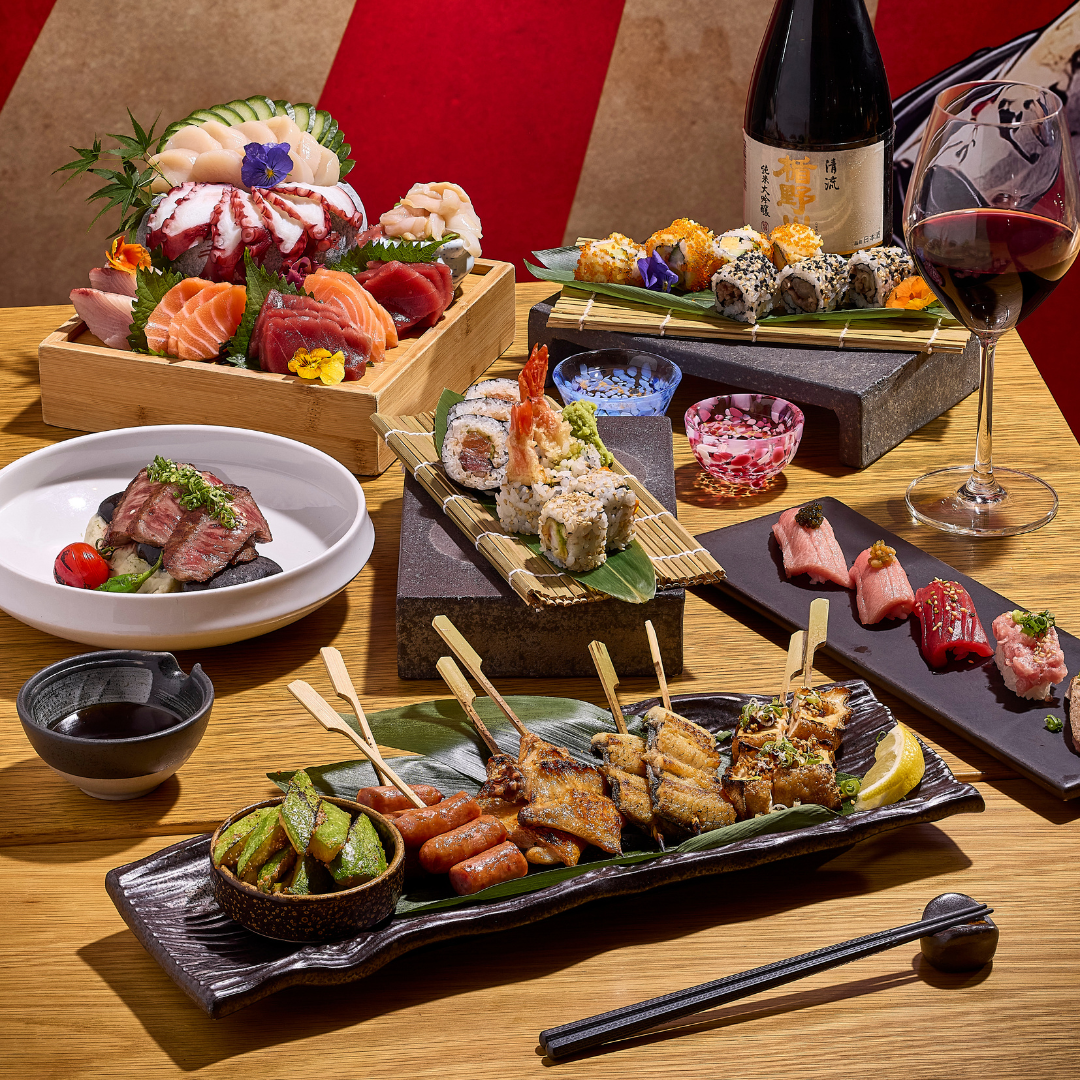
Olivia: The best thing about the past couple weeks is the food. We’re both foodies and when we landed in Manila, the first thing we did was get dinner at this place 10 minutes away called Best of Luck. Lots of interviews have written about it, so we were like, let's go and check it out.
What are you most excited about or looking forward to on your Hong Kong stop?

Olivia: I’m excited for the shows tomorrow. We’ve never performed here and I can't wait to see the city in a different light in this context, because I feel like we were only really able to see it as visitors before. I’m ready to meet like-minded people and people who like our music.
Will: Me too. And I'm excited for the food! But that’s an ongoing thing.
Is there anything more you want to say to fans — any last words?

Olivia: Wow, I just thought about so many things. A lot of love for our Hong Kong fans, we love the city and we have a lot of appreciation for everyone who listens to our music over here and who will listen to our music after.
For more from Wasia Project, follow their journey on Instagram, Facebook, X and YouTube.
Get the latest curated content with The Beat Asia's newsletters. Sign up now for a weekly dose of the best stories, events, and deals delivered straight to your inbox. Don't miss out! Click here to subscribe.