K-Artists With American Roots You Need To Know About
Asia/ Vibe/ Pop Culture

The Best of Both Worlds: K-Pop Stars With American Roots

Mark Tuan marktuan Instagram photos and videos 1Photo by pledis_17/X (Formerly Twitter)

K-Pop is known to transcend cultural boundaries, highlighting diversity through its music and fan culture. Among this global phenomenon of artists are talented performers who embody a unique blend of East and West — bringing a fresh perspective to the industry as they incorporate their multicultural backgrounds into their artistry.

This Korean American Day, we’re shining a spotlight on K-Pop idols who are half-American or born and raised in the United States. Let’s celebrate their journeys, unique influences, and the roles they played in shaping the global K-Pop phenomenon.

From magnetic idol members to brilliant soloists, here are nine popular K-Stars with American ties.

Eric Nam

Eric Nam
Photo from Facebook/Eric Nam

Eric Nam is considered one of the most successful solo artists in South Korea and is widely known as a popular singer, songwriter, and TV host. He was born and raised in Atlanta, Georgia, and graduated from Boston College in 2011 with a degree in International Studies. However, after posting a cover on YouTube singing the male version of 2NE1’s “Lonely,” he was invited to compete in a South Korean talent search program, “Birth of a Great Star 2.” He impressively placed among the top five, which led him to sign with B2M Entertainment as a soloist.

Since debuting in 2013, he was named GQ Korea's Man of the Year in 2016, included on Forbes' 30 Under 30 Asia in 2017, and was also named as one of YouTube Music's Global Trending Artists on the Rise in 2019.

Loading...

Woosung (The Rose)

Woosung
Photo from Instagram/@iwoosung

The leader and frontman of the indie rock band, The Rose, was born in Los Angeles, California on Feb. 25, 1993. Kim Woosung debuted as a soloist in 2019 with the EP “WOLF” under the label Woolfpack, but his musical journey began way back in 2011 when he participated in the South Korean survival show, “K-Pop Star Season 1.” After being eliminated on the show, he took a short break from music and pursued teaching English in Korean schools until his engagement with the band.

The Rose debuted in 2017 with the single “Sorry” which put them on the map in the mainstream music scene. Some of their most popular songs include “Back To Me,” “She’s In The Rain,” and “You’re Beautiful.”

Woosung’s English name is Sammy, and is known to be friends with other L.A.-based K-Pop idols such as KARD’s BM and DAY6’s Jae.

Loading...

Tiffany Young (Girls' Generation)

Tiffany Young
Photo from X (Formerly Twitter)/@tiffanyyoung

Stephanie Young Hwang was born in San Francisco, California on Aug. 1, 1989, and is widely known as a member of the K-Pop girl group, Girl’s Generation (SNSD). She was discovered by a South Korean agency when she was fifteen and subsequently moved to the country to pursue training. She debuted with the eight-member group in 2007 but rose to fame in 2009 with their single “Gee,” which remained on top on KBS's “Music Bank” for a record-breaking nine consecutive weeks and was Melon's most popular song of the 2000s.

Tiffany was the second member to pursue a solo career and dropped her EP “I Just Wanna Dance” in 2016.

Loading...

Jessica Jung (Girls' Generation)

Jessica Jung
Photo from Instagram/@jessica.syj

Another Girls’ Generation member born in San Francsico (and reportedly in the same hospital as Tiffany Young!) is Jessica Jung. A singer, actress, author, and business woman, Jessica left the group in 2014 and signed with a new agency before the release of her first solo album, “With Love, J.”

Jessica also established a fashion brand called, Blanc & Eclare, and published her debut novel “Shine” in 2020 which debuted at number five on the New York Times Bestsellers list for Young Adult Hardcovers. The book is reportedly based on her experiences in the music industry. The K-Pop artist also participated in a series of films and television programs through the years, as well as theatre projects. She was cast as Elle Woods in the Korean version of “Legally Blonde: The Musical.”

Jessica is also the older sister of Krystal Jung, a member of the South Korean girl group, f(x).

Loading...

Vernon (SEVENTEEN)

Vernon
Photo from X (Formerly Twitter)/pledis_17

SEVENTEEN’s Vernon was born in New York on Feb. 18, 1998, and moved to South Korea when he was five years old. The rapper and visual was street cast by PLEDIS Entertainment and debuted with SEVENTEEN in 2015 as part of the Hip Hop team.

The group is known to write and produce their own music, and Vernon actively participates in composition sessions and has over 68 songs registered under his name as of February 2021, making him the second most credited member of the group.

Loading...

Joshua (SEVENTEEN)

Joshua
Photo from X (Formerly Twitter)/pledis_17

Another fluent English speaker of SEVENTEEN is Joshua, who was born and raised in Los Angeles, California. He was scouted by PLEDIS Entertainment in downtown LA’s Koreatown in 2013, which led him to move to Seoul to train as an idol.

While being a member of SEVENTEEN, Joshua also took part in several projects such as collaborating with fellow member DK and American artist, Pink Sweats, on a remix of his song “17,” and being cast in the 2023 reality show “Bro and Marble in Dubai.” The singer was also the first artist to be featured on Apple Music’s Home Session series.

Loading...

Jessi

Jessi
Photo from Facebook/jessihomusic

Another New York-born star is Jessi (Jessica Ho), who was born on Dec. 17, 1988. The rapper grew up in New Jersey before moving to South Korea when she was fifteen.

The fiery artist debuted in 2005 and was briefly part of the Hip Hop group, Uptown, in 2006. She went on a hiatus afterward before returning as part of the Hip Hop trio, Lucky J, and also as a soloist under YMC Entertainment. Following the band’s disbandment in 2016, Jessi became the first artist to sign with PSY’s record label, P Nation, in 2018. Some of the most well-known singles include the chart-topping "Nunu Nana" and "Don't Touch Me.”

Jessi is also a widely known TV personality in South Korea and has appeared in several shows including “Unpretty Rapstar,” “Running Man,” and “Sixth Sense.” She also hosts her own YouTube talk show, “Jessi's Showterview.”

Loading...

Johnny (NCT)

Johnny
Photo from Instagram/@johnnyjsuh

Born in Chicago, Illinois on Feb. 9, 1995, NCT’s Johnny began his K-Pop journey with SM Entertainment when he participated in its Global Audition in Chicago in 2007. The lead dancer initially trained with the K-Pop group, EXO, until they began preparing for their debut. He was part of the fourth batch of trainees introduced in SM Rookies in 2013, a pre-debut training program by the entertainment agency. Well-known idols today have also participated in this program including Red Velvet’s Seulgi, Irene, and Wendy; members of NCT; and Aespa’s NINGNING.

Johnny officially made his debut in NCT in 2016 and became part of its second sub-unit NCT 127 in 2017.

Loading...

Mark (GOT7)

Mark Tuan
Photo from Instagram/@marktuan

The GOT7 member was born and raised in Los Angeles, California on Sept. 4, 1993. He was also reported to have spent a number of years living in Paraguay and Brazil.

Mark Tuan was scouted by JYP Entertainment and initially had no desire to pursue a music career but was encouraged by his friends and family. He passed the audition and went into training, and while learning to sing, dance, and rap, he was eventually inspired to pursue the idol life.

Prior to his debut in 2014, Mark made a cameo in “Dream High 2” and also appeared in Mnet’s survival program, “WIN: Who is Next.” GOT7 has launched a number of hits including “If You Do,” “You Calling My Name,” and “A.” The septet has left the agency in 2021 and has been pursuing solo projects but they recently announced a comeback for Jan. 20, 2025.

Loading...

Get the latest curated content with The Beat Asia's newsletters. Sign up now for a weekly dose of the best stories, events, and deals delivered straight to your inbox. Don't miss out! Click here to subscribe.
This Week's Events Across Asia View more

This Week's Events Across Asia

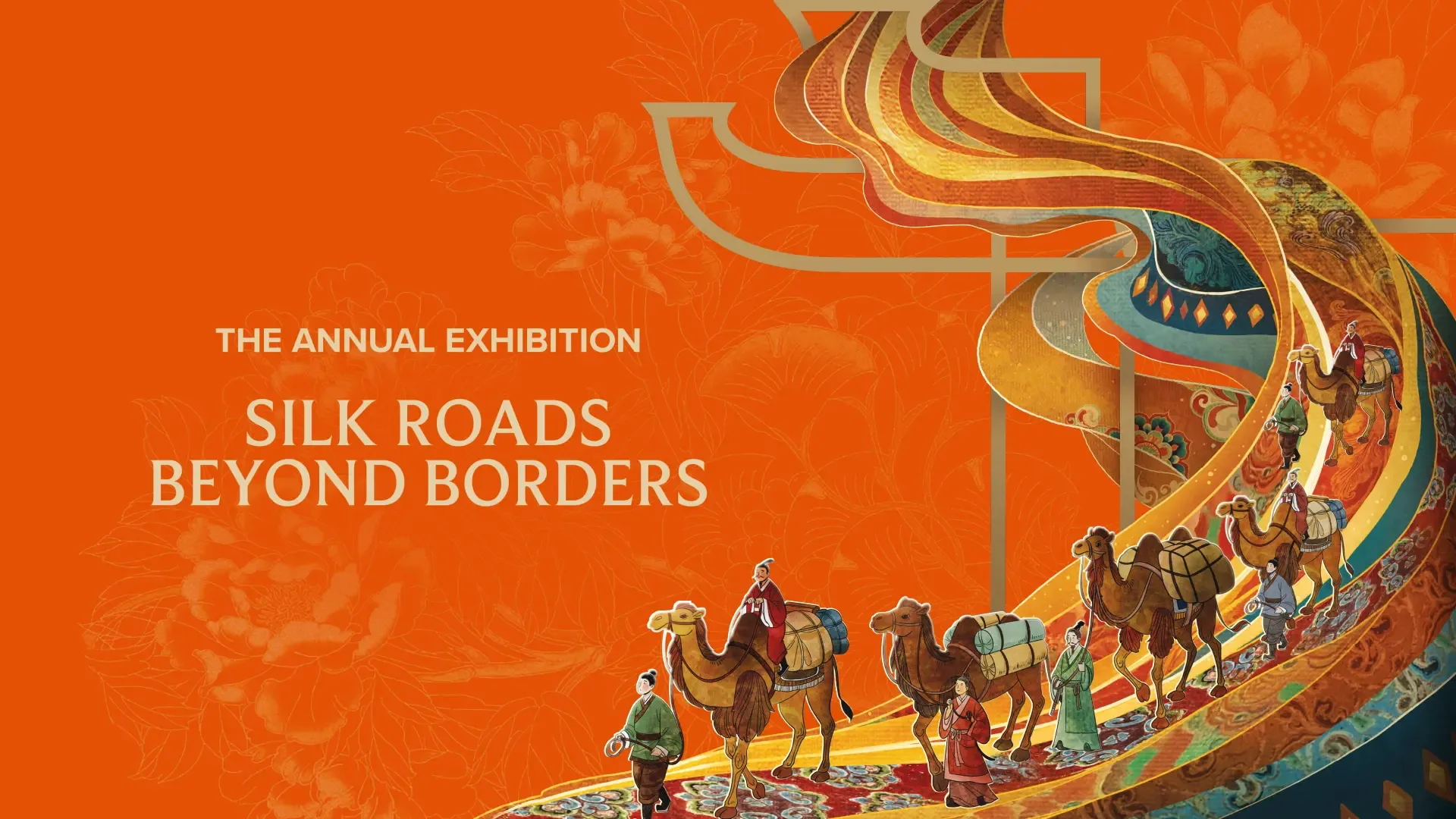
Silk Roads Beyond Borders
Oct 1 - Aug 31, 2026

Silk Roads Beyond Borders

Asia/ The List/ Nightlife

Atsuko Okatsuka Brings Her Big Bowl Tour Across Asia in November

Atsuko OkatsukaPhoto by Atsuko Okatsuka/Instagram

Atsuko Okatsuka is bringing the bowl cut back to Asia.

The stand-up comedian announced eight stops across the region for her "Big Bowl Tour." It opens in Manila on Nov. 15, before a two-night run in Tokyo on Nov. 17 and 18. Her tour then lands in Jakarta on Nov. 20, Kuala Lumpur on Nov. 21, Hong Kong on Nov. 22, Singapore on Nov. 25, Bangkok on Nov. 27, and Taipei on Nov. 29.

Presale tickets are on sale now online, using the code: "BIG."

Every show, the comedian confirmed, will be in English.

Atsuko Okatsuka Big Bowl Tour Asia
Photo from Instagram/Atsuko Okatsuka

"Asia, I'm coming back and I can't wait to see you," Atsuko wrote on Instagram.

Atsuko Okatsuka is a half-Taiwanese, half-Japanese comedian, actress, and writer based in Los Angeles. In 2022, Variety named her as one of the "Top 10 Comics to Watch," and is the second Asian American woman to have an HBO stand-up special. Her second special, "Father," is now streaming on Hulu and Disney+.

Atsuko and her iconic blunt-cut fringe are making their way to Asia. Snag tickets before they run out!

For more information and tickets, visit the website and follow Atsuko Okatsuka on Instagram.

Get the latest curated content with The Beat Asia's newsletters. Sign up now for a weekly dose of the best stories, events, and deals delivered straight to your inbox. Don't miss out! Click here to subscribe.
Asia/ Vibe/ Artists

Wasia Project Talk Identity, Creative Freedom, and Debut Album ‘Nocturne’

Wasia Project 1

Shimmering synths, fast-paced kick drums and dreamy vocals soar over euphoric hooks. ‘Bleeding Gold’ is a neon-lit introduction to the next chapter of Wasia Project. 

Since forming in 2019, British-Chinese siblings Will Gao and Olivia Hardy have built a devoted global following, amassing over 200 million streams and millions of monthly listeners. Classically trained in piano and violin, the duo have carved out a cinematic alt-pop sound that fuses classical, jazz and alt-pop, leading to sold-out UK headline shows and tours alongside artists like Laufey and Tom Odell.

Their breakthrough EP, how can i pretend? marked the rise of fan-favorite 'ur so pretty' with the track featured in Heartstopper. The wistful single 'Petals on the Moon' followed, showcasing the pair’s finely tuned instinct for blending intimate storytelling with expansive, cinematic soundscapes.

Their highly anticipated debut album, Nocturne, is due to arrive on Sept. 18, 2026, embracing a darker, more electronic palette while remaining rooted in the bittersweet nostalgia that has become a hallmark of their style.

Across 12 tracks, the album oscillates between euphoria and melancholy, blending celestial synths, club-inspired production, piano-led balladry, and modern soul.  

Will Gao and Olivia Hardy of Wasia Project photographed in Hong Kong
Instagram/ Wasia Project

Their lead single 'Bleeding Gold' offers a first glimpse into the album’s nocturnal landscape, where luminous synths and kinetic electronic textures underscore reflections on leaving home, childhood memories, and the emotional passage from adolescence into adulthood. Following the genre-blurring intimacy of '2515,' 'Bleeding Gold' finds Wasia Project pushing their sound into more expansive cinematic territory, more fully realized than ever before.

Fresh from performances in Manila, Berlin, and ahead of their Hong Kong showThe Beat Asia sat down with Wasia Project's Olivia and Will to discuss their inspirations behind Nocturne, being between two worlds, and how Hong Kong influenced their latest visual and sonic direction.

Will Gao and Olivia Hardy during their 2026 Hong Kong tour stop exploring the city for interview with The Beat Asia
Instagram/ Wasia Project

Could you start off by sharing a little bit more about the origins of Wasia Project?

Nocturne visuals
Courtesy of Wasia Project

Will: Music and performance was always there with us from the start. We used to make little films and put on plays. It was something that was always encouraged when we were growing up and our family home was this very freeing and creative space.

Olivia: Violin and piano were a big part of our lives, and we started songwriting in our early teens. During lockdown and through school, we would sporadically make songs together on GarageBand. Our first EP was just a collation of songs we’d written on our own, and from there, we consciously went forward as a project.

How has your mixed identity influenced how you understand your place in the industry?

Wasia Project
Courtesy of Wasia Project

Olivia: I feel like any place of fusion – whether that's cultural or identity-based –  encourages an open-mindedness to liminal spaces or things. We like to categorize things as absolutes, but I think it’s given us an appreciation for in-between and a more nuanced picture. And with creativity, I think it allows more flexibility.

Will: I feel that what it gave us – or certainly gave – was the idea that there’s this big world of people from so many different places with their own stories to tell, and in order to connect with other people, we have to be as open and as free as we can. The same applies for music and the creative process. There are so many genres and styles, and being able to connect with it is really refreshing and beautiful. It allows us to gauge all these different points of view and styles of music.

The name Wasia Project was something we created almost on a whim, but it’s become a testament to freedom and the boundlessness of not necessarily needing to fit into one box.

You’re both classically trained, but your sound pulls from pop, soul, jazz, electronica, and more. What did you grow up listening to that shaped your instincts in music today?

Nocturne visuals
Courtesy of Wasia Project

Olivia: I think the classical repertoire we did as kids definitely influenced our melodies. There’s a lot of piano-led instrumentation, strings, and arrangements inspired by the grandeur of classical repertoire, like Rachmaninoff. These dramatic classical music pieces can range from something very simple and beautiful and small, but they can also be very intense.

We were really inspired by these emotional music compositions entwined with more classic songwriting. Our dad was really into Sinatra, and our mum loved the Bee Gees and pop music, and being exposed to that mix of compositional music has allowed us to read between the lines and make what we make.

How do you feel that your sound and art form has evolved since your EP ‘Isotope’ leading up to ‘Nocturne’?

Wasia project
Courtesy of Wasia Project

Olivia: It’s definitely darker, more electronic. The lyrics are more about specific feelings that are more mature and the complexities within those emotions. It’s us discovering, as we grow up, more complicated feelings like yearning, and all these things in between. Things that have happened in our lives have allowed for more nuance, and I think that's expressed on the album with the darker tones.

We’ve gone all the way in our commitment to instincts – while before it just felt like we were experimenting or dipping our toes in the water – with this album, we’re not afraid of going all the way with the sonic palette.

What are the main themes of the album conceptually?

Olivia: ‘Nocturne’ obviously references the classical thing; it’s a musical piece inspired by the night. Most of the songs in our minds would be set in the night, and I think the darker, more electronic stuff speaks to that, as well as the introspection of the songs.

The night is always a very creative time for us when no one's watching, where you can freely flow the most. It’s such an amazing time, and I like the association of sonics with feelings or experiences of driving through the city at night, the highs of going out with friends, and the Uber back home, or being alone in your room at two in the morning.

Conceptually, there is this notion of sunset to sunrise, and we've ordered it in a time-coded way, with songs that represent dawn or sunset or going into the depths of the night. But everything – even the softer songs – are quite grand and cinematic.

So far, we’ve had ‘2515’ and ‘Bleeding Gold’ released as the preview of Nocturne. Why did you choose these tracks to introduce the world of Nocturne?

Bleeding Gold
Courtesy of Wasia Project

Will: 2515 was the first song that we recorded. I think it's a testament to the full album in that it sets the tone of where we're heading sonically, emotionally, and maturity-wise. ‘Bleeding Gold’ is the crux of what the album is really about: playing with nostalgia and finding connection with yourself and others in this specific time of our lives.

Olivia: The liminal space between things is a big theme on ‘Bleeding Gold,’ which is a sentiment that lots of young people feel growing up. There’s this question of what is going on and what are we doing, this constant eternal yearning for something you can't get back, but being able to live with it and accept it.

How did it feel when Nocturne finally came together and you knew it was complete?

Will: We finished it at different times.

Olivia: We did a lot of mixing in Hong Kong, and I was giving loads of notes every day for a whole week, but Will wasn’t hearing anything I was hearing. He had let it go, but I was like, let’s get this right, because I have trouble letting go of things. I'm a perfectionist, and I never think it’s there.

There were constant late nights at the end of the process. When I’d gotten it to the place where I was happy with it going into mixing, I went back to Will’s flat, put my headphones in and listened to everything. I had a really nice dance by myself, and that was an amazing feeling.

Wasia Project
Courtesy of Wasia Project

Was there anything you saw in Hong Kong that has inspired you? In what ways does the city's atmosphere feel parallel to your music?

Olivia: We were listening to the album a lot here. Hong Kong at night with the neon lights, driving past the skylines, the mix of old and new, definitely fits aesthetically with the album.

By the time we were mixing, the main thing I kept saying was, "Make the drums louder," so I could feel the city. It was half stressful, half inspiring to work remotely on that kind of thing. I think it's really nice to do that kind of thing after having been in London so long.

Your music often feels emotionally intimate but also cinematic in scale, when you’re writing, what kind of visual worlds emerge from the sound?

Wasia Project 2515 visuals shot in Hong Kong ahead of Nocturne album release for exclusive interview with The Beat Asia
Youtube/ Wasia Project

Will: I don't see a division between the visual medium and the sonic medium. I think they're always linked. You don’t have a film without a soundtrack, and you can’t have an album without some sort of visual imagery in your mind. When we were making ‘Bleeding Gold,’ I had a very specific idea of what the visuals could look like, and it was the same with ‘2515.’ I think Hong Kong came up before we even decided to come here.

Olivia: We were just like, let's shoot a music video.

Will: Yeah, there was an urge to come here and be in that visual environment. We love Wong Kar-wai, and the filmmakers of that era.

Olivia: Hong Kong was a very big part of the rollout of this album so far because we shot a bunch of content here and it fitted the music really well. So much of how the album is being represented is affiliated with Hong Kong – especially ‘2515.’ While making the album, I had the word ‘ethereal’ in mind, and these otherworldly feelings and mystic qualities that definitely fell into the music. I'm also really big on Greek mythology. I always picture the river in the Underworld, with the boat where you give the ferryman a coin and hand over your soul. I can't unsee it when I hear the song.

What does touring bring out in your relationship with music that the studio doesn’t?

Wasia Projects
Courtesy of Wasia Project

Olivia: It’s quite chill and funny. There's a lot of downtime on tour after we’ve played a show or we’re traveling somewhere, and there are these little moments where we are being quite silly, and bicker in the siblings kind of way. But then in the studio, we're very focused and mature.

Will: I think we both find solace in zooming out from the creative process, and getting to enjoy the songs for an hour each night in each city. It’s nice to get to look back at the work we've done so far and enjoy these songs.

Has there been a particularly memorable moment – or stop on tour – that’s stayed with you?

Will: Oh, we had a lot of fun in Berlin. Berlin invites a kind of party energy that we were really succumbed by.

Olivia: The best thing about the past couple weeks is the food. We’re both foodies and when we landed in Manila, the first thing we did was get dinner at this place 10 minutes away called Best of Luck. Lots of interviews have written about it, so we were like, let's go and check it out.

What are you most excited about or looking forward to on your Hong Kong stop?

Wasia Project
Instagram/ Wasia Project

Olivia: I’m excited for the shows tomorrow. We’ve never performed here and I can't wait to see the city in a different light in this context, because I feel like we were only really able to see it as visitors before. I’m ready to meet like-minded people and people who like our music.

Will: Me too. And I'm excited for the food! But that’s an ongoing thing.

Is there anything more you want to say to fans — any last words?

Wasia Project with Hong Kong fans after show at West Kowloon Cultural District for exclusive interview with The Beat Asia
Instagram/ Wasia Project

Olivia: Wow, I just thought about so many things. A lot of love for our Hong Kong fans, we love the city and we have a lot of appreciation for everyone who listens to our music over here and who will listen to our music after.

For more from Wasia Project, follow their journey on Instagram, Facebook, X and YouTube.

Get the latest curated content with The Beat Asia's newsletters. Sign up now for a weekly dose of the best stories, events, and deals delivered straight to your inbox. Don't miss out! Click here to subscribe.

Asia/ Vibe/ Artists

Better Be Ready: MILLI's JAA EHH! Asia Tour Stops in Eight Cities

16062026 13Photo by Instagram/ MILLI

Thai rapper MILLI is about to kick off her JAA EHH! Asia Tour 2026, an eight-city concert run across Southeast and East Asia, starting with Jakarta, Indonesia, on July 25, 2026, stopping in Kuala Lumpur, Singapore, Hong Kong, Bangkok, Manila, and more unreleased cities!

MILLI JAA EHH! Asia Tour 2026 official poster and tour stops
Instagram/ MILLI

Billed under the tagline, "I'm everywhere you are. Better be ready," MILLI's Asia will continue in Kuala Lumpur on Sept. 4 at JioSpace, Singapore on Sept. 5 at Foo Chow Building, and Hong Kong on Sept. 19 at Portal. Bangkok closes out the confirmed dates on Oct. 3 at Samyan Mitrtown.

Manila, Seoul, and two other cities remain on the lineup with dates and venues still to be announced.

Born Danupha Khanatheerakul, MILLI rose to fame in Thailand with her debut single, "Phak Kon," in February 2020. A follow-up hit, "Sud Pang," arrived later that year. In April 2022, MILLI became the first Thai solo artist to perform at Coachella Festival. That same year, the BBC named her one of its 100 Women.

For more information on ticket sales and information, visit the website and follow MILLI on Instagram.

Get the latest curated content with The Beat Asia's newsletters. Sign up now for a weekly dose of the best stories, events, and deals delivered straight to your inbox. Don't miss out! Click here to subscribe.

Asia/ Ohana/ Health & Wellness

This Barbershop Fosters Safe, Inclusive Space for Everyone

Barbierro BarbershopPhoto by Courtesy of Barbierro Barbershop

When opting for hair care, it's common for most to think "barbershops are for men" and "salons are for women." And that isn’t just some “kwentong barbero” (hearsay). Salons are usually marketed to women, while barbershops exude a distinctly male-oriented vibe — most of them speak for themselves. But what about queer people?

That’s the question the owners of Barbierro Barbershop had in mind before launching a queer-friendly barbershop designed to serve everyone.

The term “kwentong barbero” was coined to refer to rumors and exaggerated tales that barbers share with customers while cutting their hair. However, conversations held within the walls of barbershops may also extend beyond grooming, styling, and gossip. Most would agree that they are also filled with misogyny, toxic masculinity, and homophobia. And if you’re coming in a little too feminine or outside heteronormative standards, such a space could feel deeply unwelcoming.

This is an experience one of the owners of Barbierro Barbershop had firsthand. With a merman logo and an in-your-face Pride flag adorning the shop’s interior, Barbierro Barbershop is unapologetically queer — a safe space where clients can simply walk in as they are, with no pretenses.

In our latest exclusive, we caught up with Barbierro Barbershop Co-owner Paul Sumayao as he talked about the inspiration behind the business, the challenges they faced, and how it became a love letter to queer kids — past, present, and future.

The Philippines’ First Queer Barbershop

Exterior of a blue barbershop with "Barbierro" sign and rainbow flag. The window displays "The Philippines' First Queer Barbershop," creating an inclusive and welcoming vibe.
Courtesy of Barbierro Barbershop

Barbershops have long presented as hyper-masculine spaces, specializing in grooming services that range from tapering and fades to buzz cuts and classic short haircuts. But most barbershops look, for lack of a better word, too straight. It’s almost a universal experience that queer people often feel pressured to perform when getting haircuts in barbershops. Some would even try to modulate their voices to sound straight-passing enough — the sad reality for a lot of queer kids who grew up just wanting the same service as everyone else.

“I think, as a queer person, I realized there weren’t enough safe spaces for queer people to get haircuts without being ostracized. That's where my curiosity started: ‘Why aren't there any queer-friendly barbershops yet?’ I mean, there are salons, of course, but [there’s still a thin line between] salons and barbershops,” said Sumayao, who then asked himself, “What if we’re simply looking for a haircut?”

Of course, such introspection didn’t come out of nowhere. The creation of Barbierro Barbershop — founded by Sumayao and Jedi Directo — is deeply rooted in the owners’ experiences as members of the community. This ultimately led to the creation of the queer-friendly barbershop in Biñan, Laguna, which has since expanded to Manila and Camarines Sur.

Barbierro Barbershop co-owners Paul Sumayao and Jedi Directo
Courtesy of Barbierro Barbershop
Barbierro Barbershop co-owners Paul Sumayao and Jedi Directo
Courtesy of Barbierro Barbershop

“I think [it’s rooted] in a bit of my past also, growing up in Camarines Sur as a panganay (eldest child) to my two male siblings, I am the one in charge of taking them to barbershops. I was like, ‘Why am I uncomfortable in the past taking my siblings to barbershops, when in fact, we will pay the same as the next person,” Sumayao shared.

He added, “That led me to think, ‘Okay, we might be on to something.’ And I looked for some resources overseas because they also have queer barbershops in [other countries]. But why are there no barbershops like that in the Philippines? That’s how it came to me.”

The result of the 2022 presidential election was also a catalyst for what would become a queer-friendly barbershop celebrated for fostering an inclusive space for everyone. But apart from building a space as an expression of love for the community, its creation also came from a place of fear.

“In 2022, when our candidate for president lost the election, it was really a trigger for me. I was like, ‘Okay, we really can’t be silent at this point.’ We can't just stay silent about the future of this country, what’s at stake, and how our country could no longer be inclusive,” Sumayao stated.

“Coincidentally, in the street where I campaigned house-to-house, there was a space available. It was one of the factors, too. It felt right that time. We felt a certain sense of safety in the area. From there, I made phone calls, and that’s our little story. It was like divine providence — like the right timing.”

Claiming the Narrative

A barber focuses intently while trimming a man's hair in a salon. The man wears a blue cape and looks relaxed. The scene is calm and professional.
Courtesy of Barbierro Barbershop
A barber in a yellow shirt and apron cuts a customer's hair in front of a mirror. The customer, wearing a blue cape, looks directly at the reflection. The scene is calm and focused, with framed pictures on the wall adding a personal touch.
Courtesy of Barbierro Barbershop

The name already gave it away. But no, it wasn’t really a pun on Barbie. The iconic Mattel brand may come across as the inspiration behind the name Barbierro, and we get it: Barbie is a hyperfeminine character, also used as a term to mock queer people, especially in the Philippines, when a viral video of a kid receiving a Barbie doll as a gift became an online conversation fueled by homophobia.

“It was from a viral video of a kid, saying, “Ay, Barbie, sabi ko na!. (Ay, it’s Barbie, I told you!). And that was kind of triggering because when someone hears gay, why do they automatically think of Barbie? So we claimed it! And barbero is the Filipino word for barber, so it’s really as simple as that. We wanted to have a wordplay on the viral Barbie video and then barbershop,” added Sumayao.

There are several things queer people are good at, and one of them is reclaiming narratives, refusing to let words be weaponized against them. “Let’s claim the narrative.’ Tinatawag niyo kami na Barbie at bakla?’ (You call us Barbie and homosexuals?).’ Sure, let’s claim that. That’s the story,” he added.

For Sumayao, inclusivity doesn’t only entail welcoming everyone regardless of gender, sexuality, and gender expression; it’s also a way to reclaim what was withheld from queer people for the longest time. He said: “I think [being inclusive] is claiming spaces that were initially deprived from us. Barbershops are really traditionally masculine. When you trigger conversations inside the barbershops about inclusive grooming and gender-neutral pricing, it becomes a totally different mechanism of its own.”

Building a Queer-Friendly Business from Scratch

Colorful LGBTQ+ flag background with "Barbierro Barbershop" logo featuring a tattooed merman holding scissors. Bold, inclusive, playful theme.
Courtesy of Barbierro Barbershop

Opening a business was no easy task, let alone opening one that caters to minorities, in Barbierro’s case, the LGBTQIA+ community. But establishing a barbershop requires at least a basic knowledge of how it operates — and so the owners of Barbierro tried to reach out to barbershop owners as well, which proved to be a challenge in and of itself.

“We had no background in barbershop management. It took a while for us to learn [everything], and [straight male owners] of some barber shops, we also consulted them, but they were not that friendly. We tried to join barber shop groups to find out how to operate a barbershop, but we got nothing. We tried working on it [from scratch]. That’s how it began,” Sumayao recalled.

The challenges didn’t stop at building the barbershop. Of course, they also had to hire barbers who understand not only the business concept but also everything they’re fighting for. Everything eventually fell into place, though. But their journey in hiring barbers revealed one thing: toxic masculinity is still very much prevalent to this day.

A focused hairstylist in a plaid shirt trims a customer's hair in a cozy salon, with framed art and a red wall clock in the background.
Courtesy of Barbierro Barbershop

“We had difficulty hiring barbers who understood the concept. We had difficulty communicating that, ‘hey, we’re going to cut hair even for women.’ And they’ll say, ‘Sorry pero hindi po kami gumugupit ng babae (Sorry, but we don't cut women's hair). This is from a real experience, we had this one barber who said he’s not cutting a woman’s hair because nakakabawas daw ng pagka-lalaki niya (it reduces his masculinity) — those are his exact words. That’s the difficulty that we had for the first six to eight months,” shared Sumayao.

He continued, “We kept switching barbers until we found a set of barbers that understood what we’re fighting for. It also helped that our barbers saw the conversation happening online. Even if it’s not clear to them at first, over time, they finally understood that this kind of space is actually necessary. Hiring the right barbers was really the challenge.”

Before Barbierro Barbershop came about, Sumayao already knew the challenges queer people faced in traditional barbershops. However, it was still a revelation when he learned about queer women’s experiences, saying, “This is kind of a discovery that we’ve had that queer women are the most ostracized both in salons and barber shops because whenever they go to salons, they get offered hair straightening treatments right away when in fact they just wanted a simple haircut — [one that is] masculine-presenting, perhaps.”

A Love Letter to Queer Kids

Three people in glamorous, bold outfits pose confidently in a salon. One wears a red wig, another has tin cans in their hair, while the third wears fur. The atmosphere is colorful and expressive.
Courtesy of Barbierro Barbershop
Two drag performers pose confidently outside a barbershop with a Pride flag. One wears silver and black, the other in sleek black, exuding empowerment.
Courtesy of Barbierro Barbershop

Barbierro Barbershop was built for everyone, including gay, lesbian, transgender, non-binary clients, allies, and even cisgender heterosexuals. But most especially, it was created as a love letter to queer kids everywhere. When asked about the most rewarding part of building a queer-friendly barbershop, Sumayao told us:

“I think it’s acknowledging the universality of the experience of folks growing up without a queer barbershop. When we started becoming visible on social media and print, na-realize namin hindi pala kami nag-iisa (we realized that we’re not alone). There are a lot of young queer people who feel ostracized in areas they often go to. I think it’s the fact alone that we’re able to do something for queer kids everywhere who might be delighted to find out that there’s a space out there that welcomes them as queer people.”

Sumayao knew longevity is the name of the game, but with that plan comes always keeping queer kids in mind, adding, “I feel like longevity is an indicator of success for us — it’s super important for us. If the business stays longer, it means we’re able to cater to more clients. I don’t mind having just around six branches rather than launching a hundred branches, but the quality is compromised. For me, success is truly shown in longevity. I always dreamed that, perhaps in Barbierro’s 10th or 20th year, I would be retiring and maybe someone else would be taking over. That’s really the idea — to stay in the business and provide more hair care to more queer kids everywhere.”

You may visit Barbierro Barbershop’s official website for more information about their services, pricing, locations, and operating hours. You may also follow them on Facebook, Instagram, and TikTok for other updates.

Location: Barbierro Barbershop Laong Laan, 2157 Laong Laan Rd, Sampaloc, Manila, 1008 Metro Manila, Philippines

Get the latest curated content with The Beat Asia's newsletters. Sign up now for a weekly dose of the best stories, events, and deals delivered straight to your inbox. Don't miss out! Click here to subscribe.

Asia/ Vibe/ Pop Culture

HYBE x Geffen Unveils Newest Girl Group SAINT SATINE with Intl Lineup

27052026Photo by Instagram/ SAINT SATINE

Are you ready to party before the party?

SAINT SATINE, the newest global girl group from HYBE and Geffen in collaboration with Abema, has completed its four-member lineup and is set to debut in 2026.

The group features Lexie of Sweden, Samara of Brazil, Emily of the United States, and Sakura of Japan. Sakura was named the fourth and final member through "WORLD SCOUT: The Final Piece," the Japanese audition program that searched for the last addition to the multinational act.

It's been two years since HYBE and Geffen launched KATSEYE, their first global girl group, in 2024. SAINT SATINE continues the companies' cross-market pop strategy, bringing together performers from different countries under a global-facing group model shaped by K-Pop training systems, English-language pop vibe, and international fandom culture.

Before Sakura joined the lineup, Lexie, Samara, and Emily were introduced as members of the pre-debut group formerly known as Prelude. The trio had appeared in HYBE and Geffen's earlier girl group survival project, "The Debut: Dream Academy," which later led to KATSEYE.

Sakura, 16, is from Toyama, Japan, beating thousands of applicants in Japan. The audition show aired on Abema from February to May, and the finale took place in Los Angeles, where Sakura joined the other three members for the group's first official appearance.

SAINT SATINE, HYBE x Geffen's new girl group for 2026 debut
Instagram/ SAINT SATINE

The newly completed quartet performed "PARTY b4 the PARTY" during the finale. SAINT SATINE also released "WE RIDE," giving fans an early look at their music before their official debut later this year.

With members from Asia, Europe, and the Americas, SAINT SATINE enters the pop landscape at a time when global girl groups are increasingly being built for multilingual, highly online audiences.

For more information and updates on SAINT SATINE, follow them on Instagram, TikTok, and WeVerse.

Get the latest curated content with The Beat Asia's newsletters. Sign up now for a weekly dose of the best stories, events, and deals delivered straight to your inbox. Don't miss out! Click here to subscribe.

Asia/ The List/ What's On

The Weeknd Heads to Asia for the Final Leg of “After Hours Till Dawn” Tour

20260511 the weekndPhoto by Instagram/ The Weeknd

Asia XO Crew, your wish is finally granted.

Canadian singer-songwriter The Weeknd is bringing the final leg of his “After Hours Til Dawn” tour to Asia, closing out the record-breaking stadium run with a new round of shows across the region.

The Weeknd's "After Hours Til Dawn" tour in Asia
Photo from Instagram/ The Weeknd

The tour first began in July 2022 in the United States, and as of 2025, it is recognized as one of the most-attended concert tours and one of the highest-grossing concert tours of all time by a solo male artist. The tour pairs large-scale visuals and cinematic staging with a setlist spanning his albums, “After Hours” (2020), “Dawn FM” (2022), and “Hurry Up Tomorrow” (2025).

The tour has also produced an accompanying concert film and live album, released in 2023, which documented the November 27, 2022 show at SoFi Stadium.

The Weeknd’s Asia leg is set to take the artist to six cities in the regionJakarta, Singapore, Seoul, Bangkok, Hong Kong, and Kuala Lumpur — from late September to early November 2026.

  • Jakarta, Indonesia (Jakarta International Stadium): Sept. 26 and 27, 2026
  • Singapore (National Stadium): Oct. 2 and 3, 2026
  • Seoul, South Korea (Goyang Sports Complex): Oct. 7 and 8, 2026
  • Bangkok, Thailand (Rajamangala National Stadium): Oct. 11, 2026
  • Hong Kong, SAR (Kai Tak Stadium): Oct. 30 and 31, 2026
  • Kuala Lumpur, Malaysia (TM Stadium National): Nov. 4, 2026

Joining the Asia leg as special guests are Creepy Nuts and ¥ØU$UK€ ¥UK1MAT$U. More details are set to be revealed in the coming months. Tickets will be available via Live Nation Asia, with the Artist Presale set for May 18, Fan Club Presale on May 19, and General Sale on May 21.

For more information, visit the Live Nation Asia website and follow them on Facebook and Instagram.

Get the latest curated content with The Beat Asia's newsletters. Sign up now for a weekly dose of the best stories, events, and deals delivered straight to your inbox. Don't miss out! Click here to subscribe.

Asia/ Vibe/ Artists

Big Stepper: Hanumankind on No Limitations and Fuelling Your Flame

Image 30

Since his debut in 2019, genre-bending Indian rapper Hanumankind has been making big steps. When his hit single "Big Dawgs" gained global virality in 2024, a Rolling Loud Thailand performance shortly followed where he also joined A$AP Rocky onstage for his headline act and they released a "Big Dawgs" remix later that year. In 2025, he debuted at Coachella, collaborated with Fred Again, and kicked off a global tour.

What draws you to Hanumankind’s addictive sound and powerful stage presence goes beyond hip hop as we know it. His fearlessness in creation and experimentation offers immediate gratification for the listener. Yet still he maintains humility, openness, and deep gratitude for his peers and fans.

If people even give me a minute of their day, I have to make sure what I gave them in that time is worthy.”

Indian rapper Hanumankind onstage
Photo by Malik Jamal | Courtesy of Hanumankind

After an ACL injury delayed the OTW Tour's North American leg, Hanumankind came back in 2026, and is now kicking off his Asia and Australia stops, starting in Hong Kong on May 9, 2026, then hitting Malaysia, Singapore, and 3 cities in Australia.

The Beat Asia caught up with the hip hop star ahead of his Hong Kong stop, discussing his epic career, no boundaries creative process, staying true to yourself and your art, how his fans are the fuel for his creative flame, and what’s next for the rapper.

Hi Hanumankind! Congrats on closing the North America leg of your world tour! How are you feeling coming out of it?

Indian rapper Hanumankind posing on street in America
Photo from Instagram/Hanumankind

It felt really good. I had to cancel [the shows] the first time because I had torn my ACL completely. With that break in between, I wondered how it was going to be, especially when your body's not feeling good. But to actually go and do it and feel it, see the people in person, it was all the recovery I needed. They know how to turn up in North America; it’s beautiful.

Kicking off your Asia and Australia tour on Saturday in Hong Kong, what are you looking forward to?

I’m looking forward to everything because this is my first time seeing a lot of these cities and being in these countries. I'm curious to see how it feels in person because each country, each city has its own vibe, and people have their own way of receiving music and receiving people, and giving you energy when you're performing, so I'm super excited to see and feel it all.

Rapper Hanumankind in concert
Photo by Rohan Johnson | Courtesy of Hanumankind

Is there anything in particular you’re looking forward to enjoying during your stay in Hong Kong?

The Chinese food that we have in India or anywhere around the world, it’s good and the standard is incredible because it's one of my favorite cuisines, but it's better at the source, you know? [My friend has recommended] roast goose. The street food is also something I really want to go test and see, because that's a real testament to the cuisine.

From your debut in 2019 to ‘Big Dawgs’ virality in 2024, your later performance in Rolling Loud Thailand — performing and then collaborating with A$AP Rocky — then Coachella the following year, then your world tour, your rise has been steep. Reflecting on your artistic journey and back to when you first debuted, did you set any expectations for yourself starting out?

Honestly, we got into it with no plan whatsoever, but as things have changed in my life and the world has opened up, all I want to do is make sure that I get to work with people who inspire me and that I evolve as much as I can as a person.

That taps into me making the coolest kind of art that I can, testing out different sounds, different styles, and different cultures in my music, which is really important as a reflection of the person that I am.

One of the main things that I've set is to not have any limitations in what I do, not having any boundaries, and if I keep that as a foundation, everything else unfolds.

Indian rapper Hanumankind backstage
Photo from Instagram/Hanumankind

How would your younger self feel about these milestones?

My younger self would be too busy doing dumb shit. When you see the milestones, he'd be like, 'This is dope. This is cool.' But obviously, he would be asking me to push as hard as I can now that I'm here and strive for greatness.

Indian rapper Hanumankind
Photo by Rohan Johnson | Courtesy of Hanumankind

We covered Rolling Loud Thailand 2024 and saw you live. You have such an electric stage presence and command of the crowd, how does your engagement with your fanbase ignite your music and art?

I started making art just because it was important for me to be able to pour myself into something that I felt gave me purpose. But when you see how people reflect on it and react to it, it just adds fuel to this flame that was already there.

How I perform is a direct reflection of the people who are in front of me. I truly enjoy being able to create and make things that challenge me, but when you see how people receive it, and in ways believe it, it just makes you want to evolve and give them something that's worthy of putting their time and love into it. I'm never going to take that for granted.

If people even give me a minute of their day, I have to make sure what I give them in that time is worthy, and they can go back with something that hopefully helps them in their life.

Rapper Hanumankind in concert
Photo from Instagram/Hanumankind

Can you share more about the inspiration behind your music? You incorporate a lot of Indian and cultural elements in your work that define your unique sound but also pay homage to your roots. What’s your creative process like?

Indian rapper Hanumankind performing onstage with fans, 2026 North America ETA Tour
Photo by Rohan Johnson | Courtesy of Hanumankind

Everything I make is a reflection of life.

All I do is try and tap into what truly motivates me, inspires me to talk or look into something more. I stay curious and make sure that if something brings out a certain emotion in me or makes me want to go and find out more about it, I make sure I do it.

I look into things that inspire me and listen to a whole lot of music from different sides of the world. I travel a lot. I keep my eyes open. I try to absorb as much as I can, and then the music is a byproduct of that, which is a blessing.

What message do you hope to convey through your music?

The message that I'm trying to say is if I can do it, anyone can do it. No one thought that we'd be able to make the kind of sounds we do or have the impact that we have.

Although I know that I have my own style, my own space, and what I do, it comes from a person just like yourself, and that's the main thing.

What I feel, I know other people feel. What I go through, I'm sure other people do too. If I do dumb shit, I know people are doing that as well, but if I do good into the world as well, I can hope, and I know, that there are people out there that can do the same.

Don’t let people define who you are and what you do; you do that.

Rapper Hanumankind in concert
Photo by Rohan Johnson | Courtesy of Hanumankind

Right now, authenticity is often what draws fans to artists who are grounded in their heritage. Why do you think staying connected to your roots resonates so strongly today?

I do this because it's what comes naturally to me. I feel driven to tap into my roots and the elements that make me. Whoever’s making music anywhere around the world, do what feels good, what feels right, because if you try and do something that is trending right now, that is working for somebody else, and you apply that purely from that space, people know, and that’s when it's disingenuous.

If it's not something that truly comes from you, people are going to know, and you yourself are going to know, you’ve got to live with that.

Tap into your truth, not someone else's truth. I think that's really going to cultivate a good space of art and creation, and that's the only way that people can give true value.

I just feel like the only way that you can find belonging and provide for the rest of the world is just by being truly, authentically honest with yourself.

Can you share more about the concept behind ‘Taste of Thunder’?

Hanumankind x Thumbs Up visuals for 'Taste of Thunder' song
Photo from Instagram/Hanumankind

That was a collaboration we did, with the brand Thumbs Up, they reached out. This is a drink that all of us grew up drinking on this side of the world, that a lot of us associate with India and childhood. So, we made the song that tied into this drink that we grew up with and we had fun while we were doing it.

What is your advice for young, up-and-coming, and aspiring artists looking to make their mark in the world?

There's no blueprint, there's no guidelines, in your path, so keep that as a foundation. A lot of people think [life] needs to go this way, it should be like this, but it doesn't need to be shit, man. You just need to be you. And the sooner you recognize that, the better, and the better things tend to turn out for you.

I’d also say travel, get out of the bubble that you’re stuck in. I say that with the luxury to be able to travel, but spend the time, even if it means to step out of your neighborhood, out of your city. Just go and see things. Get away from screens, go outside, and see the hills and the greens.

Rapper Hanumankind in concert and with fans
Photo by Rohan Johnson | Courtesy of Hanumankind

What do you make of the hip hop scene in Asia and are there any emerging artists from the region that have caught your attention?

Asia has a lot of emerging talent. It’s always been a hub for art and culture, and the ripple effect you see all around the world.

In terms of the artists that are out there, you some very cool artists. Back in the day, there was the Higher Brothers I was a big fan of. I met Jackson Wang the other day. On top of that, we’ve travelled to Korea and seen the thriving music scene out there. Even in India, there's a lot of folk that have been making music.

There was a period that I was really paying attention to some of the art that was out there, Keith Ape, and there's just so much vibrancy.

I'm always keeping my eye out and paying attention, and hopefully I can make music with some of these people that I've been tapping in with and listening to for a while.

What’s next for you, can we look forward to any new collabs or releases?

Indian rapper Hanumankind
Photo from Instagram/Hanumankind

I recently did a collaboration with Papa Roach, which is something that I'm looking forward to.

So it's not just limited to the rap and hip hop space, I really want to expand my horizons, so anything that inspires me, I’ll try it out.

I'm working on a lot of music, I have been inspired by the past year, so I just want to apply that, put together a project, and release this energy that I've been tapping into, and do some very cool collaborations. Like Papa Roach, there's other people that I've been working with to bring it all to life and not just limit it to one style, sound, or language.

Loading...

Stay updated with Hanumankind on Instagram and stream his music on Spotify, Apple Music, or Youtube.

For tour details, visit Collective Minds Asia on Instagram and Clockenflap on Facebook and Instagram.

Get the latest curated content with The Beat Asia's newsletters. Sign up now for a weekly dose of the best stories, events, and deals delivered straight to your inbox. Don't miss out! Click here to subscribe.

Asia/ The List/ Nightlife

Simple Plan Brings the 'Bigger Than You Think' Tour to Southeast Asia

Simple PlanPhoto by Simple Plan/Instagram

Simple Plan is heading back to Southeast Asia — and they aren't arriving quietly!

The Canadian pop-punk band dropped the Southeast Asia leg dates of their "Bigger Than You Think!" tour, with stops in Kuala Lumpur, Singapore, Manila, Jakarta, and Surabaya in November 2026, followed by a Hong Kong show in December 2026.

Featuring special guest LØLØ, the tour is part of the band’s ongoing 25th anniversary celebration.

The tour kicks off on Nov. 21, 2026 at Idea Live Arena in Kuala Lumpur, Malaysia, before heading to Singapore Indoor Stadium on Nov. 22, 2026. After that is a stop in Manila, Philippines, where Simple Plan will perform at Araneta Coliseum on Nov. 25, 2026. Indonesian fans are lucky, with two stops: Tennis Indoor Senayan in Jakarta on Nov. 27, 2026 and Jatim Expo in Surabaya on Nov. 28, 2026. The Southeast Asia leg ends on Dec. 1, 2026 at AXA Wonderland in Hong Kong.

Tickets and VIP upgrades will be available through the band's official website. Presale for Kuala Lumpur, Singapore, Manila, Jakarta, and Surabaya begins at 11 AM (SGT) on May 4, followed by a general sale at 11 AM (SGT) on May 5. Hong Kong fans get a separate ticketing schedule, with presale starting at 10 AM (HKT) on May 11, and the general sale at 10 AM (HKT) on May 13.

To receive the presale code for early access, fans are encouraged to join the Simple Plan HQ broadcast channel.

"It's been three years since our last visit in 2023," the band said in their announcement, adding that they're grateful to return to a part of the world that has been a long-time supporter of Simple Plan.

Simple Plan 'Bigger Than You Think' Tour Southeast Asia leg dates
Photo from Instagram/Simple Plan
Simple Plan 'Bigger Than You Think' Tour ticket sale dates
Photo from Instagram/Simple Plan

Formed in Montreal in 1999, Simple Plan currently consists of Pierre Bouvier, Chuck Comeau, Jeff Stinco, and Sébastien Lefebvre. The group rose to fame in the early 2000s, becoming one of the most recognizable bands in the pop-punk scene.

Their debut album, "No Pads, No Helmets...Just Balls," was released in 2002 and featured one of their biggest hits, "Perfect." Simple Plan's follow-up, "Still Not Getting Any..." was launched in 2004, featuring fan favorites such as "Welcome to My Life," "Shut Up!," "Untitled (How Could This Happen to Me?)" and "Crazy."

Later hits such as "Jet Lag," featuring Natasha Bedingfield, "Astronaut," and "Summer Paradise" helped extend the band's appeal beyond the era of MySpace and Friendster. The upcoming shows are expected to lean into the band's anniversary milestone, hopefully giving OG pop-punk fans a chance to revisit the songs that they sang (screamed) during their childhood and teenage years.

For more information and updates, visit Simple Plan's official website or follow them on Instagram and Facebook.

Get the latest curated content with The Beat Asia's newsletters. Sign up now for a weekly dose of the best stories, events, and deals delivered straight to your inbox. Don't miss out! Click here to subscribe.

Asia/ Vibe/ Pop Culture

Lipstick and Hemlines: Are Recession Indicators Accurate?

Do Recession Indicators Tell the Whole Story 3

Are we in a recession? With the global conflict pushing up oil and gasoline prices, it’s a question many people are already asking. But you don’t need to study the Sahm Rule, Business Confidence Index, or the Vicious Cycle Index to see how it’s affecting prices of basic necessities and goods. While ongoing conflicts are geographically distant, their impact is being felt far beyond those regions, including across Asia.

For one, nearly 90% of the region’s oil and gas supply passes through the Strait of Hormuz, which has been shut down since late February 2026. Less than two months later, countries across Asia — particularly ones vulnerable to supply shocks — are already dealing with the consequences.

In the Philippines, transport strikes and work-from-home policies from private corporations are just some of the effects of the national energy emergency declared by the President last March. In Thailand, government agencies have also adopted WFH policies, while raw material supply disruptions have led to – or nearly caused – some shortages in South Korea and Japan. China, meanwhile, has moved to cap fuel price hikes. In Hong Kong, prices of gasoline per liter have climbed to US$4.1, compared to Singapore’s US$2.55 (end of March figures). Across the region, governments are urging public and private offices, households, and individual citizens to conserve energy and raise air-conditioning temperatures, even amid intensifying summer heat.

Rising out of these challenges, ever so nonchalant and seeing the humor in every situation, Gen Zers and Millennials were quick to enter the chat with their own unique commentary, dubbing their content #RecessionCore.

TikTok screenshot of #RecessionCore
Screenshot from TikTok

Still, despite the economic slowdowns and broader spillover effects from the wars, the International Monetary Fund (IMF) has yet to officially declare a global recession. Should the current situation persist, however, they warn that we may be edging closer to one. But we might not have to wait for their declaration, as people often begin to feel the warning signs in their daily lives.

From lipstick sales to skirt hemlines — and even the way people go on first dates — these unconventional recession indicators” have been aligned with periods of economic decline. And over the decades, some experts have presented these alternative methods that are said to signal an incoming economic downturn.

The question now is whether they still hold true today.

Lipstick Index

Estee Lauder models using lipsticks
Photo from Instagram/Estee Lauder

Pocket-sized, usually inexpensive, and does wonders for our lipslipstick has the uncanny ability to brighten up our days (and our faces) with just a couple of swipes. The perfect color can pull together a look, or a vivid lip color can instantly transform a bare face. The cherry on top is that they’re usually cheap, if you don’t go for luxury brands. So, what is the Lipstick Index?

In 2001, Leonard Lauder, chair of Estée Lauder, noted a spike in their company’s lipstick sales after the 9/11 attacks. While he popularized the term, it was first coined by Juliet Schor in 1998 when she described the theory in her book, “The Overspent American.”

During the Great Depression, cosmetic purchases increased, specifically among women buyers aged 18 to 40 years old. And research shows it wasn’t because they were seeking new partners or employment. It was simply because lipstick is a cheaper substitute compared to buying new clothes or other similarly expensive items.

But this isn’t just specifically for lipstick, although the cosmetic product does have a mood-boosting effect.

Little treat culture
Photo from Unsplash | Instagram/ Melb Matcha Girlies

Other small luxury items have the same effect on people during times of hardship: coffee, movie tickets, and even snacks have given way to the “little treat culture.” It’s basically any item that can bring a sense of normalcy, joy, or momentary indulgence when the situation looks bleak.

Next time you’re browsing in the drugstore or going about your grocery shopping and feeling a bit guilty of wanting a lip gloss or a snack or two, don’t. As long as you’re not taking a sledgehammer to your budget, then we say get what keeps you sane and happy in challenging times.

Hemline Index

Models wearing clothes from Muni Muni Studio and KRSV Hong Kong
Photo from Instagram/Muni Muni Studio and Instagram/krsv.hk

In 1926, economist George Taylor theorized that hemlines — of women’s skirts and dresses — rise and fall depending on the health of the economy. During times of supposed trouble, hemlines drop down to the floor, and when times are booming, you’ll see miniskirts abound.

To put this to the test, an Erasmus School of Economics study by Baardwijk and Franses in 2010 analyzed fashion trends from 1921, specifically based on issues of the French magazine L’Officiel.

In conclusion, they found that hemlines do get longer during poor economic times and shorten during times of prosperity. But it’s not as real-time, with a time lag of three years. So, while hemlines reflect the times (with a bit of a delay), they don’t predict recessions ahead of time.

The biggest examples that are often cited are the short flapper dresses popular in the 1920s (or the Roaring ‘20s), while during the Great Depression, floor-length dresses were en Vogue.

In more recent history, maxi dresses were all the rage in 2008, following the global financial crisis. During the pandemic, athleisure and lounge wear defined the era.

Still from 2025 film Wicked: For Good featuring co-stars Cynthia Erivo in an oversized cardigan and Jonathan Bailey
Still from Film/Wicked: For Good

Dr. Dawnn Karen told InStyle, “We want to cover our bodies, wear comfy sweaters… We now have a lack of social interaction, so [fashion] can serve as a security blanket to quell the anxiety that we feel.”

Right now, fashion trends are pointing to more conservative fashion, meaning lower hemlines.

#RecessionCore has been trending since 2023, and this could be a holdover from uneven economic growth across the globe post-pandemic. This fashion aesthetic continues to persist to this day, with people leaning more towards practical and conservative fashion in 2026.

(From left) Zara Larsson and Paris Hilton
Photo from Instagram/Zara Larsson and Instagram/Paris Hilton

But some are rebelling against this very notion, being as maximalist as possible. The resurgence of Y2K fashion, for one, exemplifies this. Low-rise jeans and crop tops paired with brightly colored, eye-catching fabrics, maximalist jewelry, and even bolder and shinier makeup. It also highlights the comforting nature of nostalgia.

With millennials and Gen Xers at the peak of their corporate lives, returning to their childhood roots (even with fashion) has become one way of “raging against the machine.” So sport those low-rise jeans, platform heels, metallic eyeshadows, and be that OG bebot you truly are.

Recession Hair

(From Left) Hailey Bieber and Cara Delevingne
Photo from Instagram/Hailey Bieber and Instagram/Cara Delevingne

Recession indicators aside, recent trends online have been pointing to being more practical and frugal. Deinfluencing, underconsumption core, mindful or conscious shopping, and anti-consumerism have populated our online vocabulary — and have actually influenced our lifestyles.

While the term “recession hair” became popular in 2009 (following the global financial crisis of 2008), a newer TikTok term has been making rounds since last year: recession blonde. Hair color aside, the trend simply means letting your natural hair grow instead of spending money on color touch-ups or hair color treatments.

Unlike the lipstick trend, which sees an increase in sales, hair treatments (which are often expensive) are seen as those luxuries that people often forego during uncertain times. This may also trickle down to other skin, face, and body treatments, such as facials, nails (beyond the basic manicure and pedicure), plastic surgery, etc.

Is this a sign of a struggling economy? Or just a fashion trend that matches well with conservative fashion? Maybe, maybe both. But if there’s a trend we’re grateful is on the rise, it’s not shaming your friends for having (and sticking to) a budget and actively encouraging financial mindfulness. It means you can show up to the next girl’s hangout with “recession hair” and there would be zero judgment from your friends — who doesn’t want that?

First Date Indicator

Someone using the Tinder app on their mobile phone
Photo from Website/Tinder

One narrative that’s been making waves (and fueling debates) is that people, particularly men, shouldn’t be dating if they’re not financially stable or if they don’t have the budget to go on dates. Women, it seems, are tired of splitting checks, planning dates (and shouldering them), and picking up the slack when it comes to dating.

What does this have to do with the recession? Well, some theorize that in times of prosperity, in-person first dates are par for the course. But during down times, people prefer to stick to meeting people online — and building that relationship virtually first before committing to something face-to-face.

Needless to say, online dating apps and having conversations on social media is vastly cheaper compared to a standard dinner-and-movie date. Men are vilified for low-effort dates and women are raising their standards — online dating, for now at least, seems like a low-risk middle ground where conversations propel things forward.

As global troubles continue to drive prices upwards, first dates — or dates and going out in general — are becoming less casual, impromptu plans and more like something you need to factor into your monthly budget spreadsheet.

Does this mean people on a budget can’t date? Not necessarily. Figure out their love language first. If they prefer Acts of Service, Quality Time, and Words of Affirmation, then what you need to focus on is showing up, being present, consistent, and attentive to their needs. For the most part, this won’t cost you a thing.

Recession or not, that will outlast and weather whatever happens with the economy.

Chat, Are We Cooked?

Whether we're heading into a recession or not, we likely won't find signs on your favorite lipstick shade running out, swiping left/right on dating apps, or growing out your natural hair. For one, you don’t have to be chronically online to see how your grocery bill has ballooned, or how high gasoline prices should be your sign to stay at home.

Digital collage by The Beat Asia "The Economy is NOT Giving"

Humor and depressing world news aside, it never hurts to be practical, financially conscious, or financially stable. Gone are the days of being peer-pressured into spending more than you can afford. True friends will understand your budget and supportive partners will love your looks — even if you use press-on nails and pass on touch-up appointments. Moreover, fashion is subjective and will always reflect your inner diva. Whether the economy is booming or suffering, wear that dress, put on that lipstick, and grab that snack. Life is too short not to enjoy the little things.

Get the latest curated content with The Beat Asia's newsletters. Sign up now for a weekly dose of the best stories, events, and deals delivered straight to your inbox. Don't miss out! Click here to subscribe.

Asia/ Vibe/ Pop Culture

Legendary K-Pop Group BIGBANG Announces 20th Anniversary World Tour

20260421 bigbangPhoto by Coachella/Instagram

2026 is looking to be the year of big reunions — and legends have joined the roster.

K-Pop icons BIGBANG is set to mark their 20th anniversary with their highly anticipated global tour kicking off this August, following a legendary performance at the Coachella Valley Music and Arts Festival.

The K-Pop group recently took to the festival’s Outdoor Stage for two sets, signalling their major comeback ahead of their upcoming tour. As the group said their goodbyes to the audience on stage, each of them teased that their Coachella performance was just the beginning, or a “reset” for them.

The members of BIGBANG at Coachella
Photo from Instagram/Coachella

Rapper G-Dragon, leading the three-member act, then revealed that they were starting their anniversary world tour in August. “For the first time here in Coachella, the BIGBANG 20th anniversary world tour begins in August.”

Taeyang also reflected on their journey, saying that even after 20 years, the group isn’t done. Daesung echoed the sentiment and said, “This is our restart, so please stay with us till the end.”

“Don’t miss out and stay tuned!” said G-Dragon right before they closed the show with “Still Life.”

BIGBANG's performance at Coachella
Photo from Instagram/Coachella

BIGBANG debuted in 2006 under YG Entertainment and went on to become one of South Korea’s most successful boy groups. Composed of G-Dragon, Daesung, and Taeyang, they are renowned for their songs “Loser,” “Haru Haru,” “Lies,” “Sober,” “Fantastic Baby,” and “Bang Bang Bang.”

Further details, including tour dates and cities, will be announced in the coming months. For more information and updates, follow BIGBANG on Facebook, X (Formerly Twitter), and Instagram.

Get the latest curated content with The Beat Asia's newsletters. Sign up now for a weekly dose of the best stories, events, and deals delivered straight to your inbox. Don't miss out! Click here to subscribe.