

In 2026, travel isn’t about how many cities you can squeeze into one trip anymore — it’s about how deeply you experience just one. According to 2026 travel trends, slow travel is still on the rise, but it’s less about moving slowly and more about traveling with intention. As burnout, overtourism, and overly curated itineraries lose their appeal, more travelers are choosing to stay longer, move less, and let a place unfold through everyday moments.
And while slow travel feels very now, the idea itself isn’t new. It traces its roots back to the Slow Food Movement, which started in Italy in 1986 as a pushback against fast consumption and cultural erasure. The movement championed presence, locality, and intention — values that now shape how we explore the world, turning travel from something you check off a list into something you actually experience.
If you’re looking to travel at your own pace this year, these five principles define what slow travel really means, along with Asian destinations that embody them best.
Stay Longer

At its core, slow travel is about presence. This 2026, luxury is measured in time, not distance. Instead of rushing through a destination with a tightly packed three-day itinerary, travelers are choosing to stay put for weeks, sometimes even a full month, and let a place slowly become familiar.
Renting an apartment in a lived-in neighborhood allows time for simple daily rituals such as morning walks to the same café, weekly trips to the local market, or quiet afternoons spent people-watching in a park. Without the pressure to see everything at once, the experience becomes less about ticking off landmarks and more about feeling the rhythm of everyday life, noticing the little details that make a place unique.
InKuala Lumpur, Malaysia, renting an apartment in one of the city’s most vibrant and cosmopolitan neighborhoods, like Bangsar or Damansara, is a great way to start. You can spend your days visiting local wet markets like Chow Kit Market, experiencing the amazing culinary scene, strolling through Perdana Botanical Gardens, or exploring galleries and bookstores leisurely at your own pace.
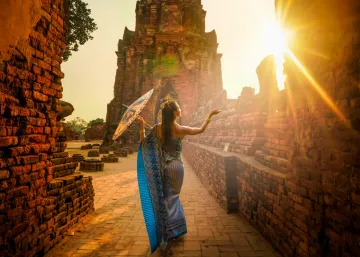
Long favored by writers and creatives for its slow rhythms and low cost of living, Chiang Mai, Thailand is an ideal place to settle for a while, where you can take unstructured day trips to nearby villages or waterfalls, shop at local markets, and alternate between cafe work days and temple walks. For a more cultural experience, you can also try enrolling in a Thai cooking or ceramics class at Ban Khang Wat.
Live Like a Local

One of the most rewarding parts of slow travel is the opportunity to blend into everyday life. This might mean shopping at local markets, eating at the same small café every morning, or learning a few words of the local language. Living like a local isn’t about seeing more but about being where you are.
You don’t need to find remote islands to experience cultural activities. In fact, there are ways to experience cities famed for skylines and attractions like Singapore, like a local. In neighborhoods like Tiong Bahru, you can spend mornings wandering past Art Deco shophouses, grabbing coffee at cozy cafés, and exploring the Tiong Bahru Market for local breakfast favorites like kaya toast and kopi.
Little India is perfect for strolling through bustling streets at your own pace, visiting temples, and returning to hawker stalls again and again to savor the flavors of daily life. If you’re looking for a true escape from the city, Pulau Ubin allows travelers to pause and take their time cycling through kampong villages and connecting with nature.
Embrace Stillness

One of our favorite concepts of slow travel is how it’s simply about doing less. Choosing destinations that encourage reflection, nature, and quiet are ideal spots for you to pause and separate yourself from the hustle and bustle of daily life.
Some provincial destinations in the Philippines allow travelers to pause fully. In Batanes, where mindful travel is encouraged, you can spend days exploring on foot, sitting at viewpoints for long stretches, eating home-cooked Ivatan meals, and talking with the locals for hours. You can simply just “be” as the weather rolls in through scenic landscapes.
In Camiguin, travelers can wander to waterfalls, relax in hot springs, hike up Mt. Hibok-Hibok, stroll along the powdery white sandbar of White Island, or just sit and watch the light change over a landscape. These moments of stillness create space for connection, whether it’s with yourself, the people around you, or the environment. Remember: slow travel thrives in pauses, not in checklists.
Move Sustainably at a Human Pace

Slow travel isn’t just about going slowly. It’s about moving at a pace that lets you fully take in your surroundings. Traveling this way often naturally aligns with responsible choices, showing that you can savor the journey while still being mindful of the planet.
By choosing destinations that are walkable, bikeable, or well-connected by train, travelers reduce their carbon footprint while experiencing life at a human pace.
In Taiwan, for example, the High-Speed Rail connects most major cities, allowing travelers to avoid domestic flights while taking in scenic views along the way. You can explore Taipei, Tainan, and even Kaohsiung, where you can taste culinary delights at the famed Night Markets or explore nature views leisurely.
Similarly, Japan allows travelers to travel between cities through its expansive rail network. You can easily board the Shinkansen (bullet train) and visit cities like Tokyo, Osaka, Nagoya, and Fukuoka without flying. Within its cities and historic districts, you can use subways and buses exclusively or even walk or cycle from one neighborhood to another. We also recommend staying in ryokans (traditional Japanese inns) or machiya townhouses close to the station for the chance to immerse yourselves in the traditional Japanese lifestyle while still having convenient access to local transportation.
Connect with Culture, Not Attractions

Last but not least, slow travel is about understanding a place beyond its attractions and Instagram-worthy sights. This principle emphasizes cultural immersion over landmark-hopping.
While Hong Kong is considered a business capital, applying this slow travel principle means less about ticking off Victoria Peak or the theme parks and more about immersing yourself in the city’s everyday rhythm.
Spend mornings wandering the bustling streets of Sheung Wan or Sham Shui Po, browsing local markets with traditional dried seafood shops, and stopping for dim sum at family-run tea houses.
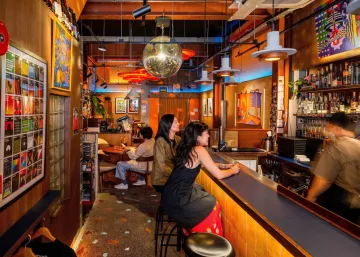
Take time to explore small art galleries, indie bookstores, or craft workshops tucked into quiet side streets, and linger at neighborhood temples, like Man Mo Temple, observing rituals without rushing to the next stop.
Other activities like attending a local festival, joining a calligraphy class, or simply returning to the same coffee shop over several mornings let you experience Hong Kong beyond its skyline, connecting with the people, the traditions, and the flavors that make the city unique.