The Swedish Cafe in Sheung Wan Selling Coffee from Sweden and Minimalistic Maps of Hong Kong

Tucked into a small boxed store, neighbouring Sheung Wan’s Man Mo Temple on Square Street, sits a quaint café that sells the city's first (and only) Swedish-made and produced cinnamon buns and coffee.
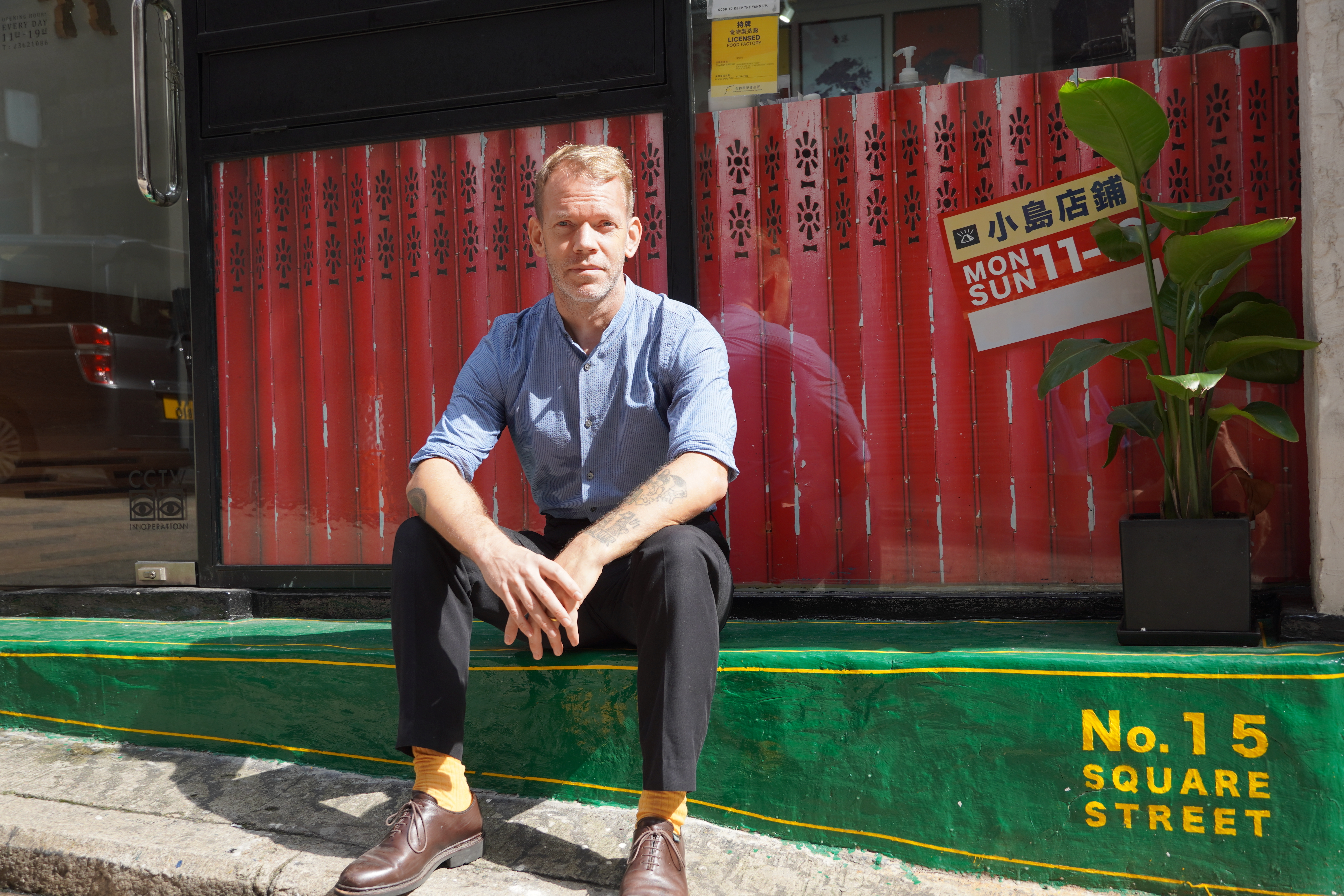
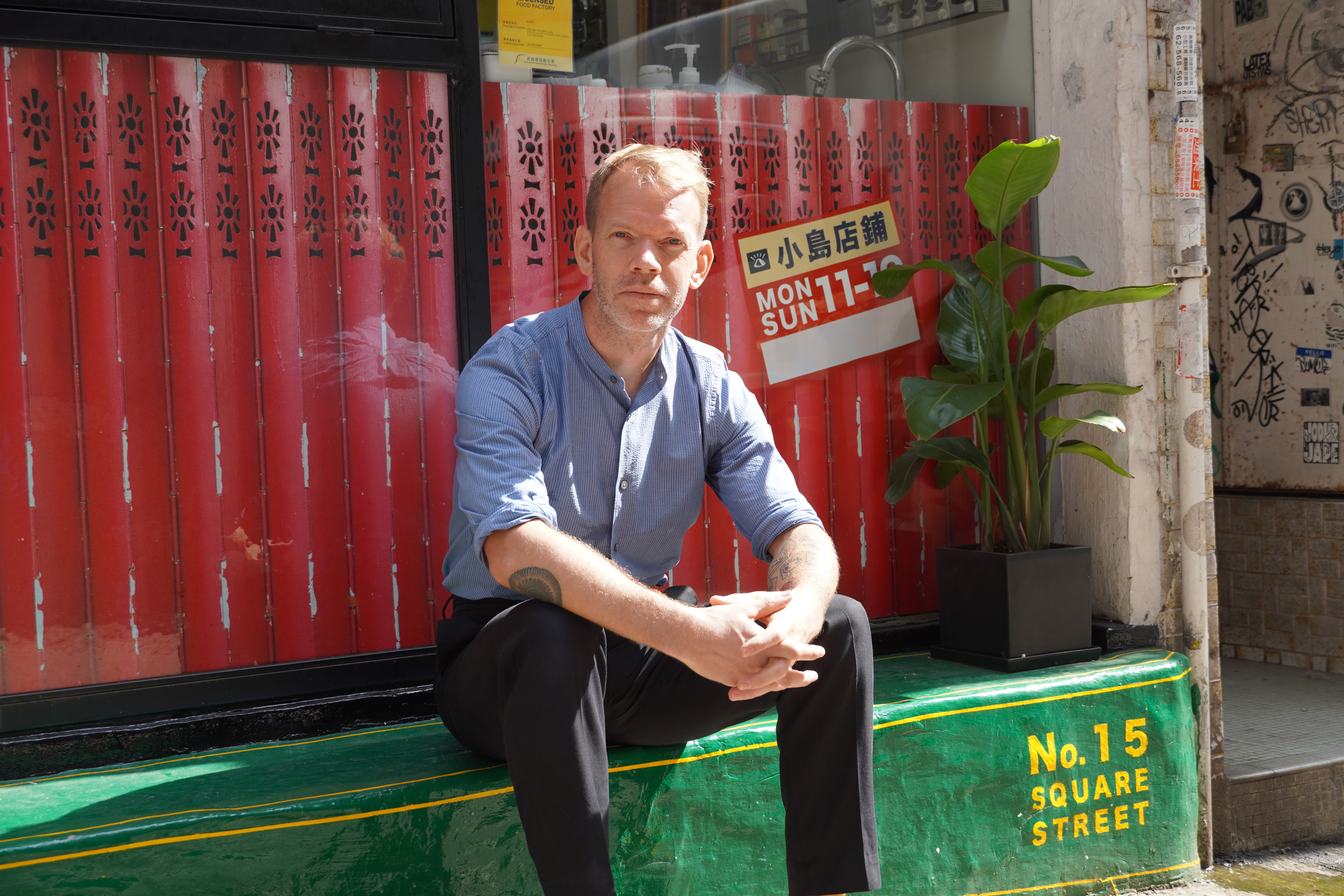
Squarestreet KAFFE, located at number 15 Square Street off Hollywood Road, is Hong Kong’s sole operating Swedish café, run by Swedish transplant and self-confessed lover of Hong Kong, Alexis Holm.
At KAFFE, Colombian-grown Swedish-roasted coffee is brewed, Swedish cinnamon buns are served, and a collection of Alexis’ flagship design brand, Tiny Island Maps, is sold—a souvenir and keepsake brand of stripped-down and minimalistic maps of Hong Kong’s most recognizable neighbourhoods.
With KAFFE’s signature, HK$70 offer of a Swedish coffee with a Swedish cinnamon bun, modern historians and art geeks can enjoy the space of the mini gallery and purchase a hand-made gift celebrating the streets and physical makeup of neighbourhood maps, such as Sheung Wan, Sai Ying Pun, Sai Kung, Central, and Mid-Levels.
The space that KAFFE stands has operated as the playground for Alexis’ business ventures ever since his arrival to the city in 2009.
The original iteration of KAFFE opened in 2009 as a fusion retail office space, led by Alexis, selling high-quality leather good rings and watches to tourists and local Hong Kongers. Ten years later, the idea for the café project came to being as a pull to the side-street shop.
Tiny Island Maps launched in 2019 originally as a side project for owner Alexis to celebrate the city of “opportunity and fun” that he has inhabited for the past 12 years and champion the multi-cultural and historical makeup of Hong Kong.
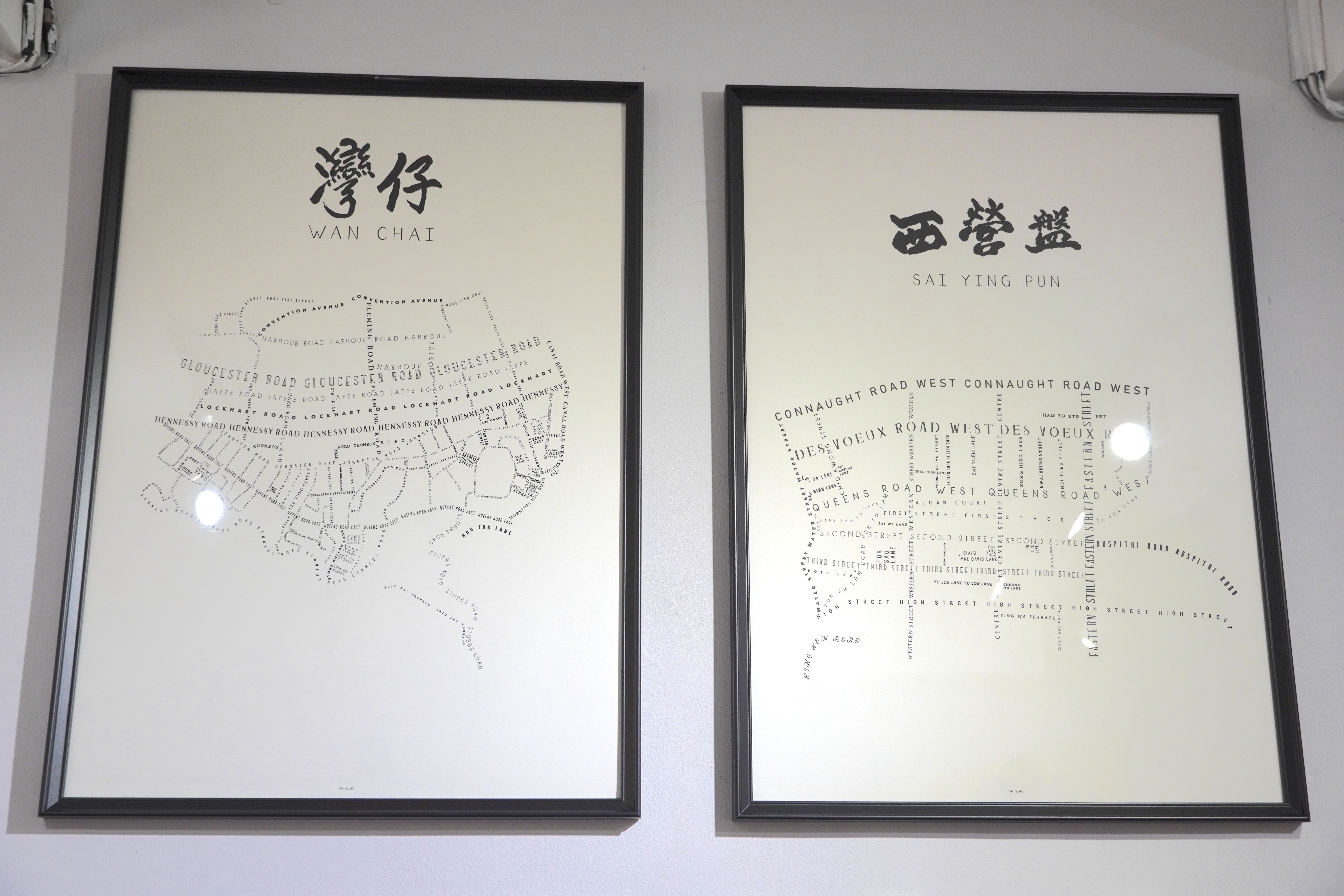
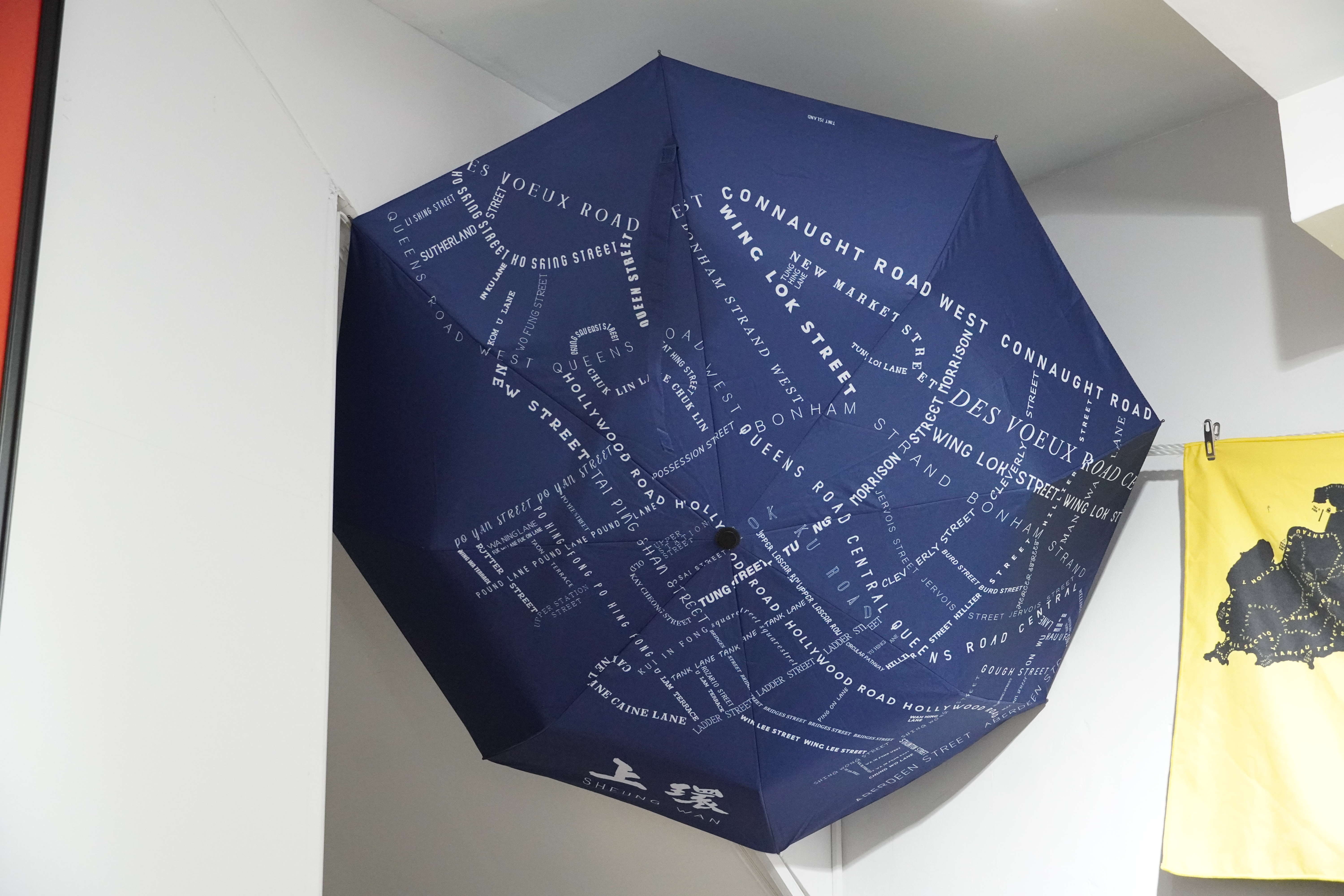
Available for purchase in-store and online, the Tiny Island Maps takes the top-down view of a neighbourhood in Hong Kong and strips out the details and overbearing information to shape an area only by the street names curved and stretched in the form of the physical surroundings.
Sheung Wan’s and Sai Ying Pun’s “tiny maps,” Alexis’ first designs in the series released in December 2019, capture the name-recognizable streets that physically shape the popular neighbourhoods for brunch-snacking and wine-sipping on the framed posters.
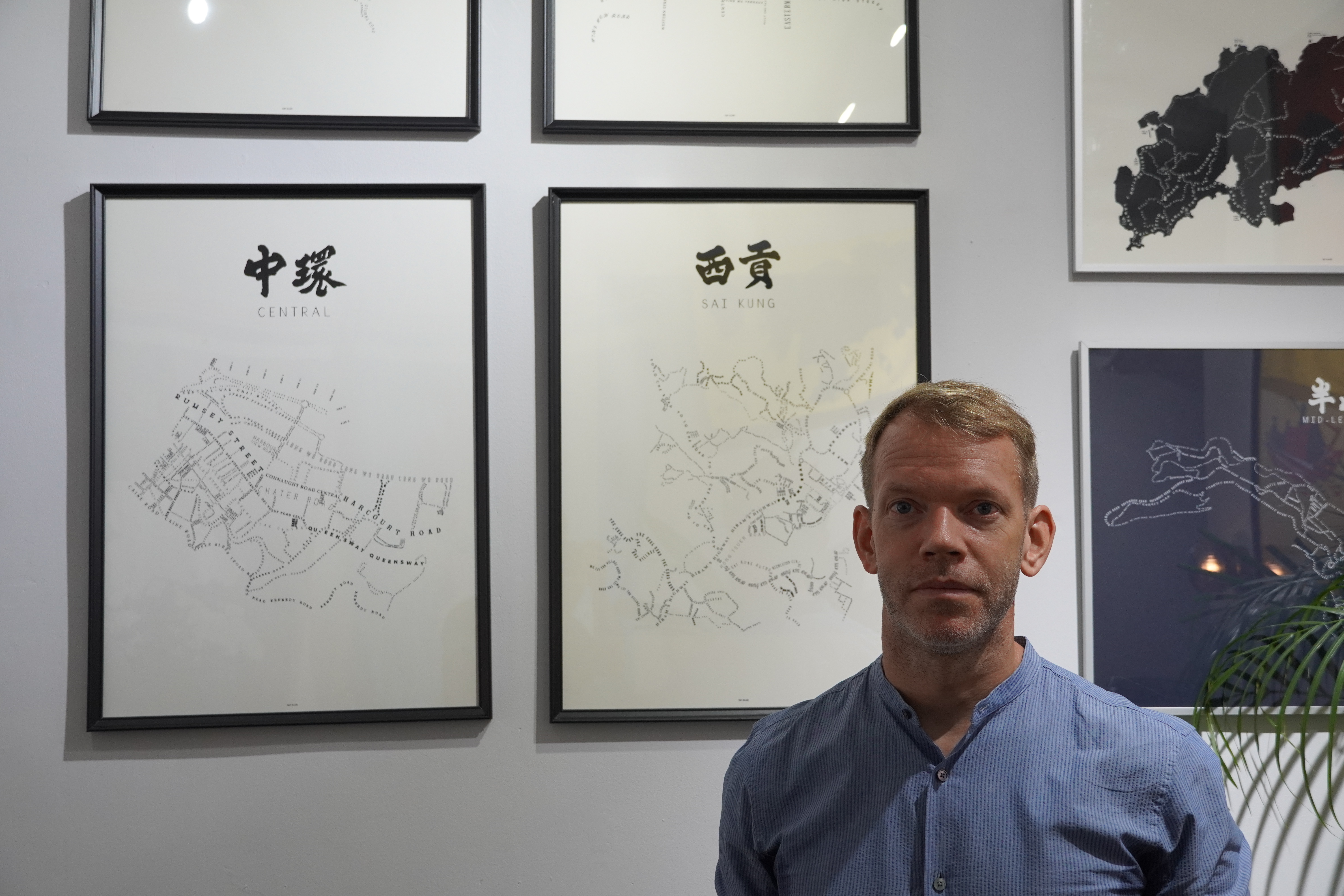
Blue and white and black and white posters of Causeway Bay, Peng Chau, Mid-Levels, Lamma Island, Tsim Sha Tsui, Tin Hau, Shek Tong Tsui, Sai Ying Pun, and Central, among others, have been designed and sold.
Each print retails for HK$550 and features Hong Kong’s most prominent streets that make up the beating heart of the city’s neighbourhoods. The Central print, most popular, is shaped by the dominant business and shopping-heavy arterial Rumsey Road and Harcourt Road, and the slithering residential streets of Caine Road and Kennedy Town.
Often, Hong Kongers know their neighbourhoods only through the shops and venues that serve their wallets, stomach, and heart. With Tiny Island Maps, Alexis makes an attempt to extrapolate the identity of the neighbourhood’s we work, live, and play in.
Initially begun as a project to see if locals were proud about their neighbourhood, the Tiny Island Maps series “took off.”
Alexis is methodical with his design of the maps—he does not cut around the edges. Each map uses recycled Italian acid-free paper printed using silk screen technology, offering a seamless end-product, and packaged in locally-made cardboard envelopes.
Working with a local Chai Wan-based printer, Tiny Island Maps is the brainchild of a Swedish expat who has made the city his home, and designers who are Hong Kong by nationality.
“People from Stockholm would not buy and frame a map. Sweden hasn’t changed for a million years; people don’t feel a need to attach themselves,” Alexis says in a discussion about the importance of Tiny Island Maps in Hong Kong.
“Hong Kongers would frame a map of [their local neighbourhood and celebrate their surroundings] because the city is much more fragile. The city is transient and changes all the time. Hong Kong is a culture under threat and people want to capture this.”
Tiny Island Maps is “something that does not exist otherwise” and explores a physical side of Hong Kong not often approached in design for gifts.
Tiny Island Maps has operated out of the 15 Square Street location since December 2019, now currently serving as a walk-in museum and store space within KAFFE.
KAFFE began first as an idea to entice customers into exploring and enjoying an experience at Alexis’ space, rather than simply advertising the hand-made products that have been sold at 15 Square Street over the years.
Alexis says, “it is intriguing to sell Swedish coffee and buns [in Hong Kong]” where the café industry is already extremely saturated with brick-and-mortar stores appearing regularly, “especially in Sheung Wan.”
Alexis fell out of favour with his home country of Sweden and his city of Stockholm prior to immigrating to Hong Kong in 2009. Running a business was “hard” to manage in Sweden, Alexis comments; his move to Hong Kong represented a brave adventure to try something new in a city where everything is “completely upside-down, with the weather, cuisine, and taxes.”
“The opening of KAFFE escalated when people began to shop more online [in the late 2010s]. With no more parties anymore,” for Alexis to attend, KAFFE represented a new venture for the business in socializing.
The café has been in operation since June 2019, prior to the beginning of that year’s protest movement and the 2020 COVID-19 pandemic. As a result, KAFFE has run without tourists since its birth, a feat that has been challenging for owner Alexis and business manager Gigi.
“The position of KAFFE is prime for capturing the 35-year-old overseas tourist checking out Man Mo Temple. Every 35-year-old tourist will go to Man Mo and needs coffee to survive walking around [Hong Kong with] too many hills,” says Alexis.
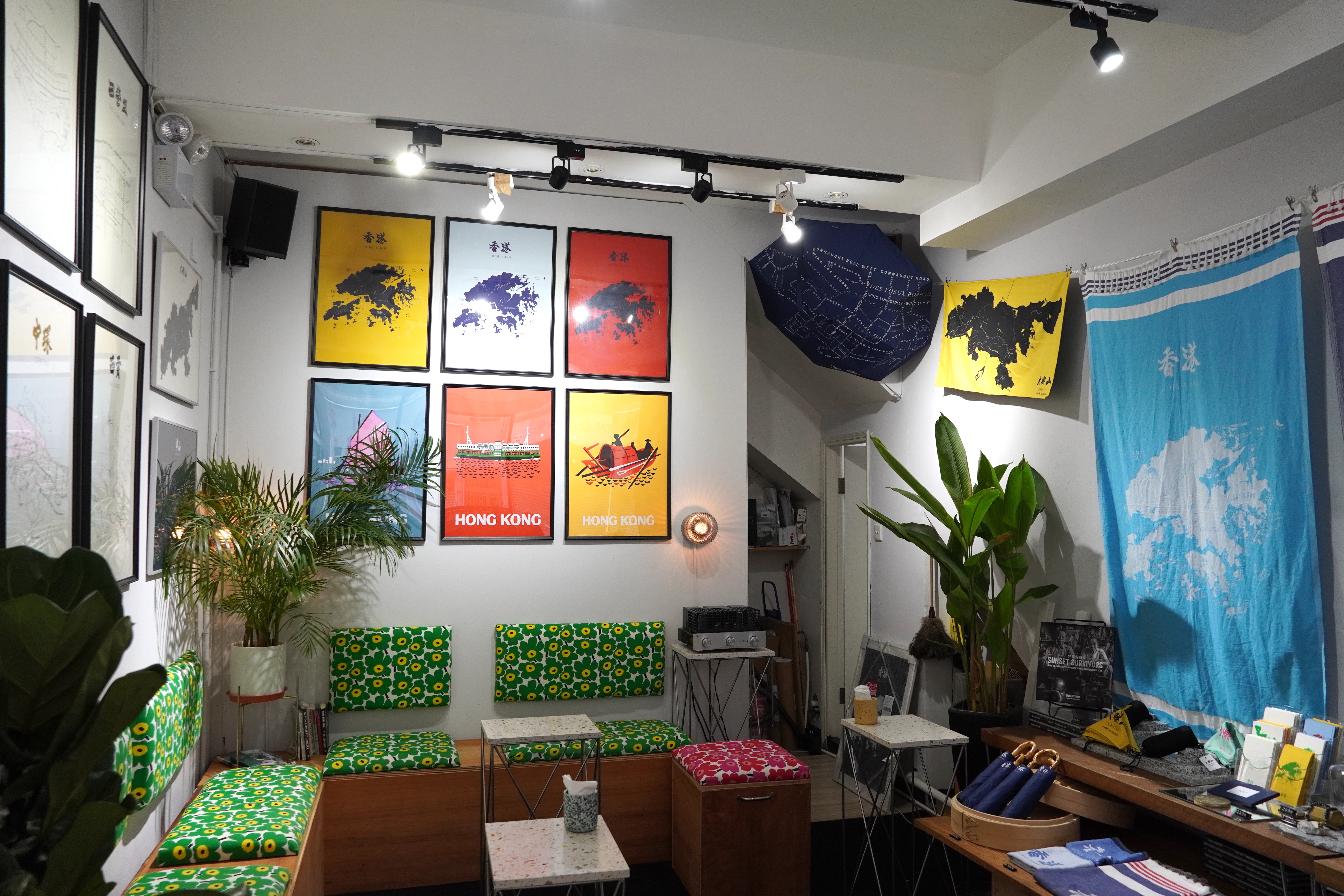
KAFFE is colourful and inviting. Bright greens and pinks Marimekko patterns on the seat pillows beautify the space, the white, blue, red, and yellow maps and Tiny Island Maps products contrast the white wall, and Alexis’ favourite part of the store, the “party-tram green and yellow” front-door step pops out at passersby.
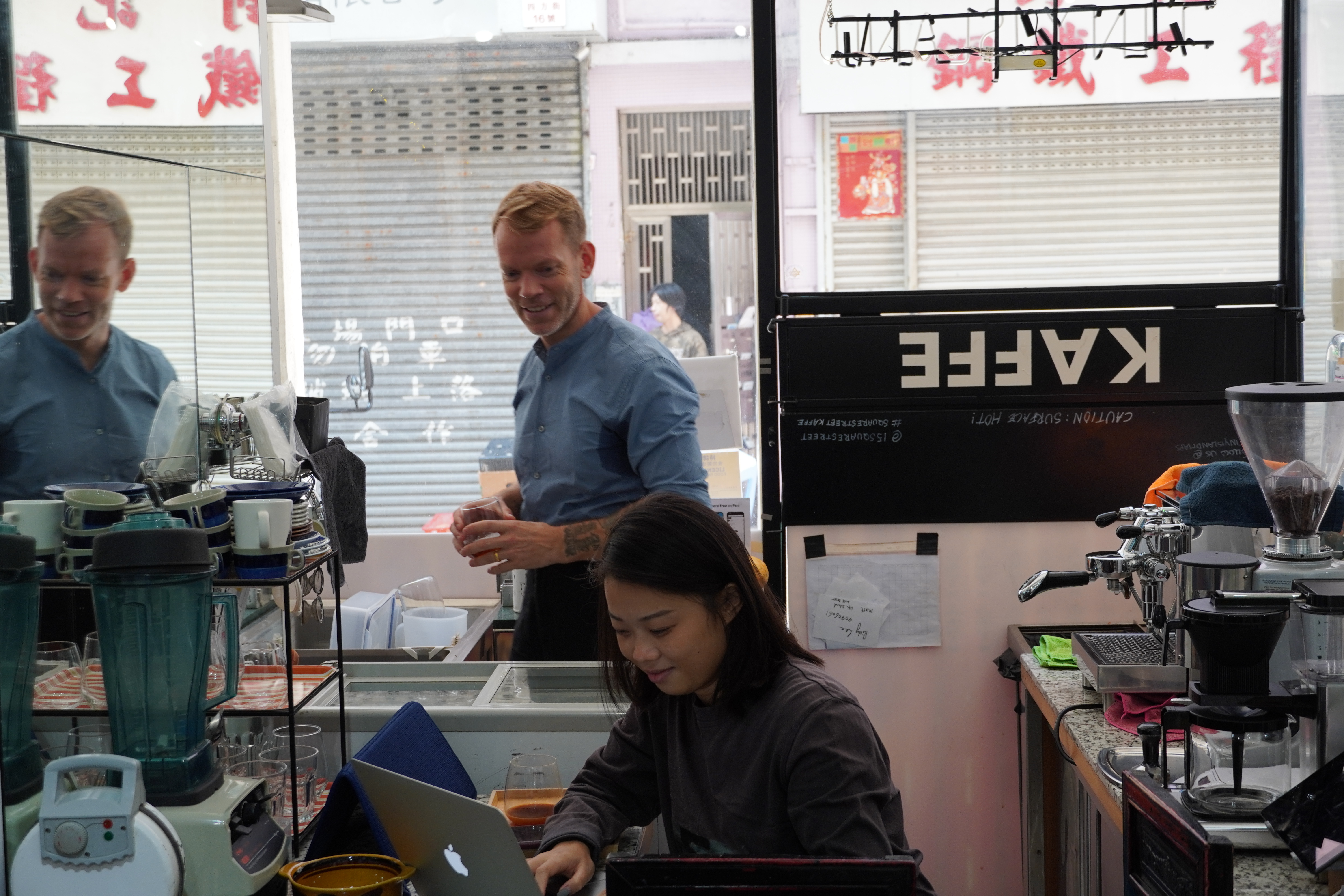
KAFFE’s design is radically different – and more Swedish – compared to Hong Kong’s café's which emphasizes speed and efficiency, rather than an engaging conversation and an authentic coffee shop experience.
“Other cafes have very high pods and boards separating the kitchen and roasting area from the customers. Our [open-plan] kitchen is positioned very low and feels a part of the seating section,” Alexis says. In his interview with The Beat Asia, Alexis stresses the connection KAFFE has with the traditional café culture of Sweden.
“If you’re going to do something Swedish, like create a café, it has to be related to Fika.” Fika is an age-old custom borne out of the intimacy of the Swedish café industry, referring to the ritualistic practice of enjoying a coffee, usually paired with a Swedish cinnamon bun, and the company of a close friend or family member.
Thus, Alexis’ aim with KAFFE is to import this comforting piece of Swedish culture to Hong Kong. At KAFFE, customers can schmooze and chat over an afternoon coffee and the café's signature cinnamon buns. “Gigi (Tiny Island’s business manager and KAFFE coffee master) is like a bartender here; you can talk to her about your problems.”
KAFFE veers away from the silent and monotone experience of a typical Hong Kong Starbucks venue. It is intimate and bright and encouraging of conversation over what Alexis describes as “Hong Kong’s finest and only authentic cinnamon buns.”
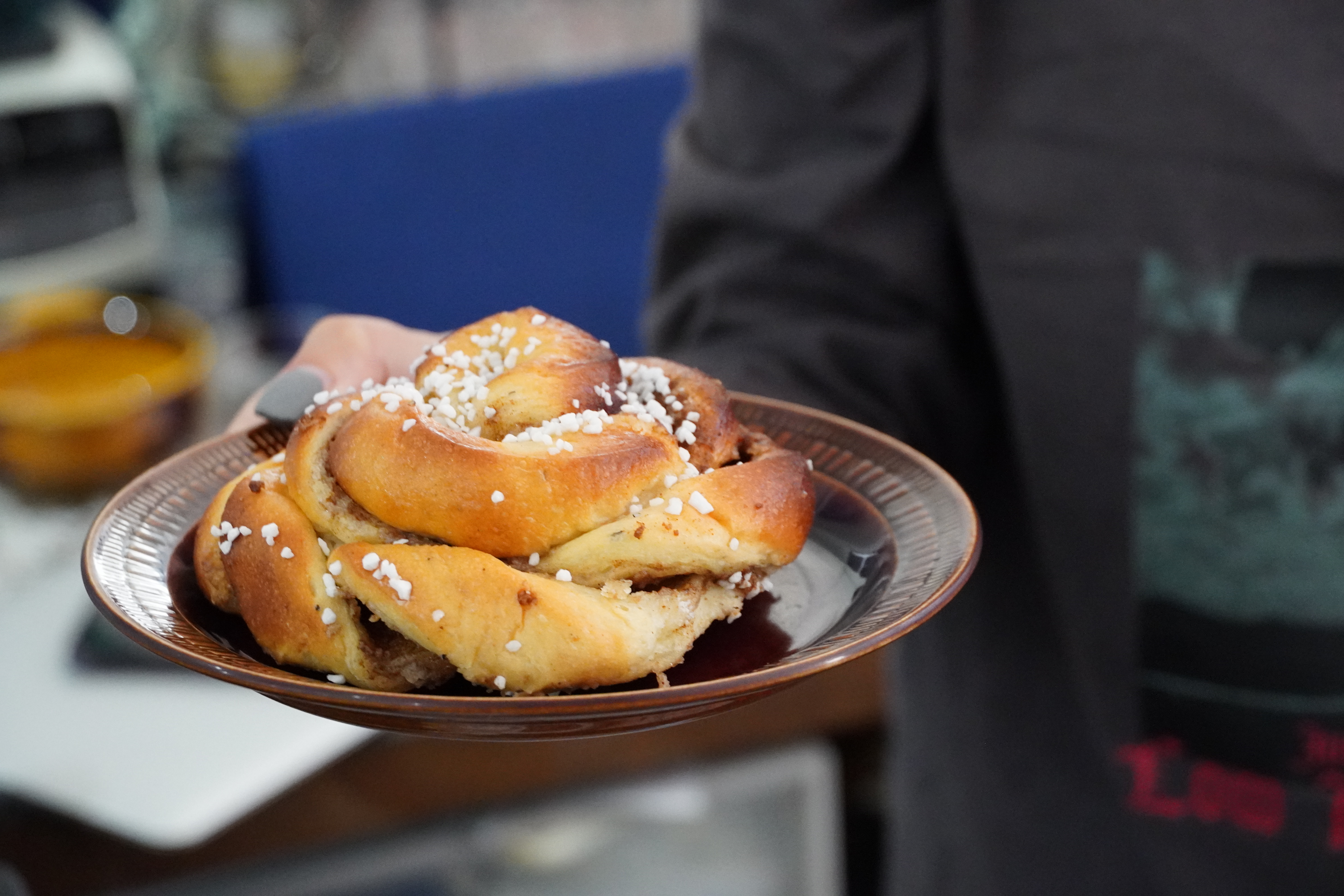
Alexis is ostensibly Swedish in his approach for the design of his Tiny Island Maps collection and his signature cinnamon bun sold at KAFFE, a tasty treat he passionately claims as a verifiable Swedish invention.
“It is the Swedish part of me to design something that is practical and aesthetically pleasing - a double bonus. [I want to] take something that you can actually use or look at and learn from, but it is beautiful enough to put on the wall.”
“I like things that are real,” Alexis explains in an interview with The Beat Asia on an early Monday morning in November 2021, “I cannot circumvent myself. When we do cinnamon buns, they’re real; we have Swedish coffee, it’s from Sweden; when we print [posters], they’re handmade; [our products] are made in Hong Kong by a Hong Kong guy.”
Subscribe to The Beat's newsletter to receive compelling, curated content straight to your inbox! You can also create an account with us for free to start bookmarking articles for later reading.