The Eco Charity Pushing Hong Kong’s Supermarkets to Reduce Unnecessary Plastic Packaging

“If you care about the environment, meet at Pacific Coffee on Tuesday,” read a banner plastered on a shop at Discovery Bay’s North Plaza in 2007. This caught the eye of Canadian and local Discovery Bay resident Dana Winograd, 53, eager to make a green change to her community.
DB Green was born that night, a grassroots organization committed to making Discovery Bay (DB) an “even greener community,”, organizing beach cleanups, clothes swaps, recycling initiatives, and placing public pressure on local government groups.
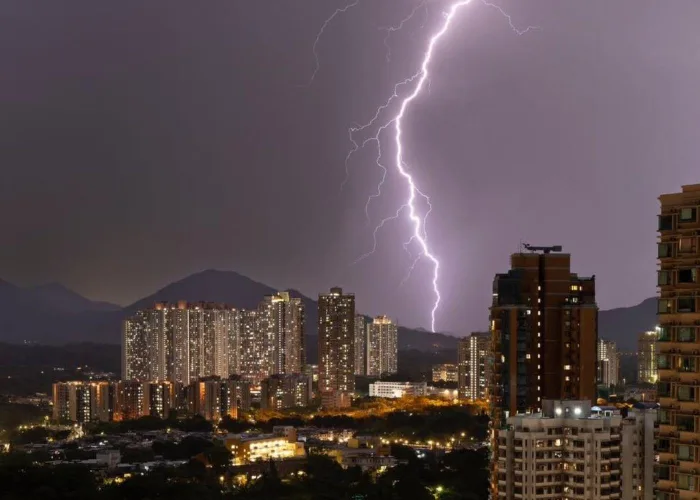
When mega Typhoon Vincente made landfall on the night of Jul. 23, 2012, which saw great disruption and damage to marine environment in Hong Kong’s south waters, Dana’s vision for a greener Hong Kong became clearer.
Today, Dana has kickstarted her latest project with the non-profit Plastic Free Seas (PFS), the Produce Packaging Project, striving to eliminate the “unnecessary plastic” wrapped around the fruits and vegetables Hong Kongers buy in the city’s supermarkets.

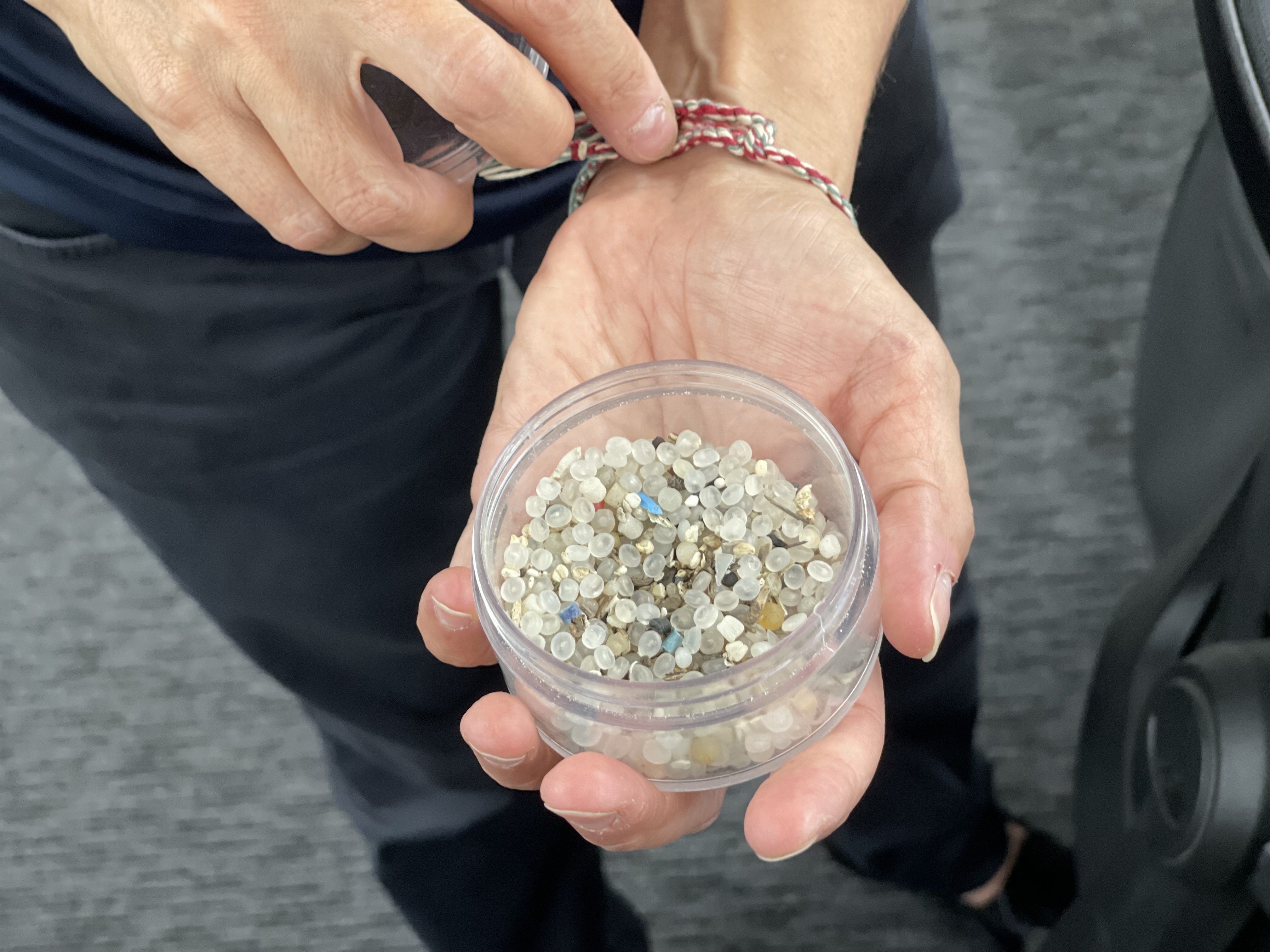
On midnight of July 24, 2012, when the T10 signal was raised, a Chinese-COSCO ship was heading north-east in the open waters of Hong Kong, near the southern Ninepin islands. During voyage, seven 40-feet-long containers were swept away into the sea, six of which held a total of 150 tons of pre-production polypropylene pellets produced by oil -giant Sinopec.
The plastic pellets are melted down and used in the manufacturing of everyday items, such as plastic bottles, boxes, cartons, and labels.
The storm passed on July 25, leaving a wave of destruction and chaos along Discovery Bay’s shores. The morning of July 25, Dana’s friend and neighbour, Tracey Read, passed Sam Pak Beach on Discovery Bay, and discovered heaps of pellets swept up on Lantau’s shores, 35 kilometeres away from the site of the fallen container ships.
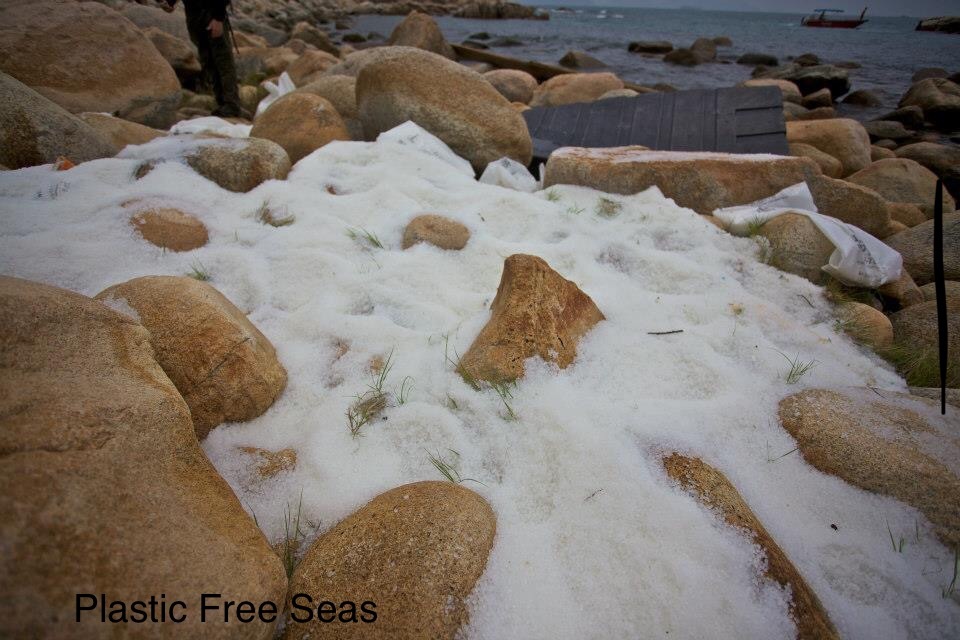
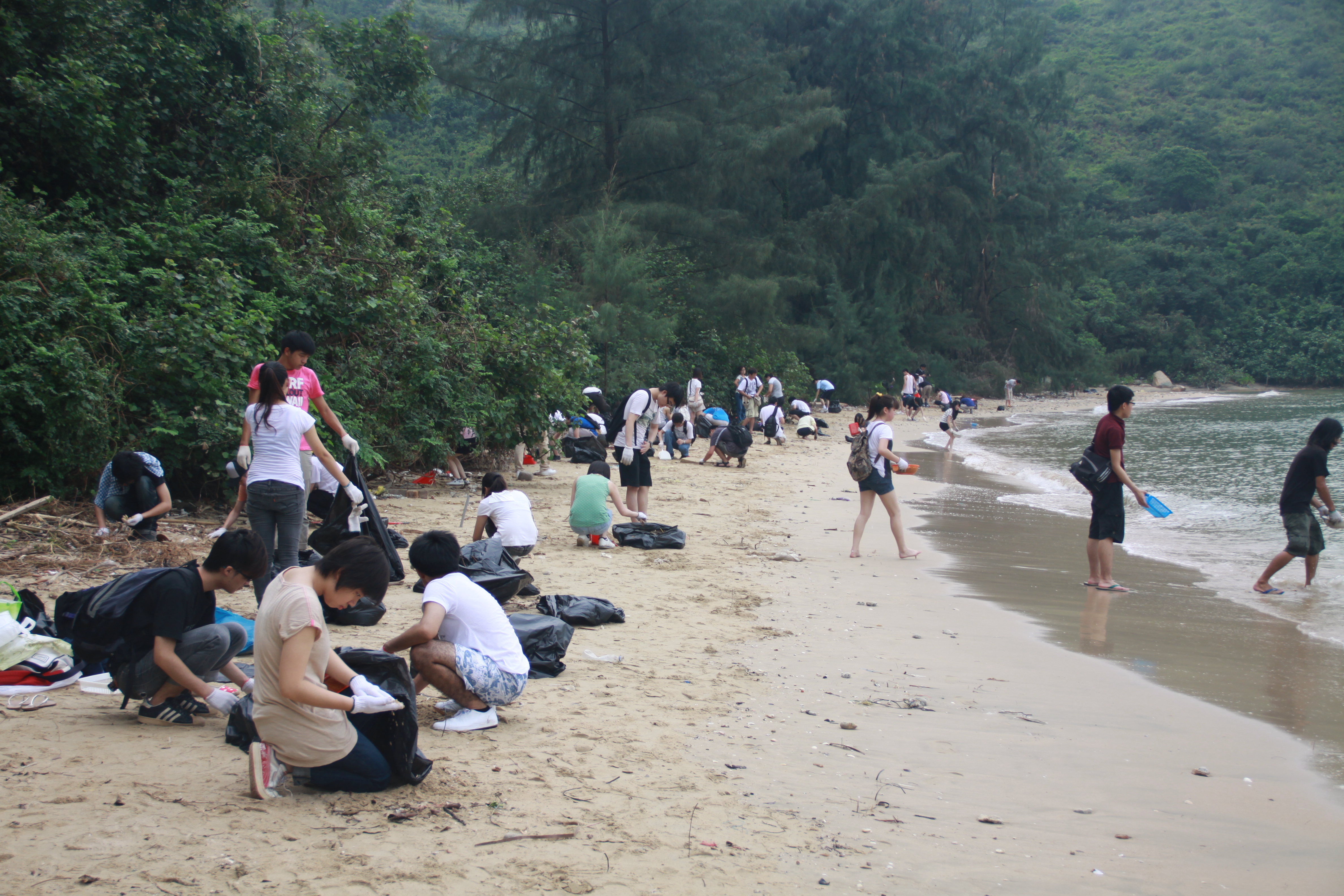
Tracey, another founding member of DB Green, joined efforts with DB-local Gary Stokes of the Oceans Asia for a cleanup of the millions of pellets littered on Sam Pak Wan and contacted representatives from Sinopec, and reported the story to the South China Morning Post. More pellets were found on Sam Pak Wan and Nim Shue Wan beach by Sinopec commissioners on July 27.
Whilst Dana and Tracey were already volunteering together at DB Green, the 2012 plastic pellet disaster made it obvious to the pair that plastic was a much larger Hong Kong issue to tackle.
In the summer of 2012, Tracey went on an expedition through the Great Pacific Garbage Patch to experience first-hand the effects of plastic wastage on marine wildlife. On the trip, she decided that her and Dana must start a charity to teach the youth of Hong Kong about the problem of plastic marine pollution, forming PFS later that year.
Today, PFS has reached over 76,000 students in more than 200 schools through talks and workshops, and volunteer-led initiatives to raise critical awareness of Hong Kong’s plastic issue.
The 2012 event was “a silver lining on a tragedy” to raise awareness of the plastic problem on Hong Kong’s shores, Dana said in an interview with The Beat Asia.
PFS began in 2013, based in Discovery Bay, reaching out to schools across Hong Kong, promoting the group's initiatives in beach cleanups and plastic reduction through talks about plastic waste reduction.
“We’re a two-woman team on the ground here,” Dana says, referring to the team of herself and Hong Kong-born Cantonese-speaking Mimi Law, who manages the local school education programme.
The group reached out to local and international schools promoting plastic reduction in talks and lectures, raising awareness of the impact plastic has on sealife, the environmant and our food chain. They use beach cleanups as a tool used to encourage behaviour change.
Prior to the disruption COVID-19 had on all facets of Hong Kong society, including in-person talks with schools, PFS reached 16,314 students and 94 schools in 2019, organized 72 beach cleanups, and held 57 corporate events.
In October 2021, PFS has recently launched the Produce Packaging Project, with a goal of reducing the “unnecessary packaging” of produce found in Hong Kong’s supermarket vendors, such as ParknShop, Welcome, International, Taste, Market Place, and City Super.
Calling students, individuals, corporate teams, and community groups, PFS’s project objectives are simple: engage the help of citizen science volunteers to gather first-hand data on produce packaging in supermarkets, use that data to engage with supermarket decision-makers about their plastic usage, and start a conversation about plastic reduction targets and timelines.
The project aims to identify the volume of fruit and vegetable produce at Hong Kong supermarkets that is packaged, whether the packaging is done by the producer or by the supermarket, and whether it is deemed unnecessary “within the scope of the campaign.”
Anyone with a phone (to snap pictures), a passion for saving the planet, and a dislike for excessive packaging are encouraged to join
Clear instructions are provided on the PFS website on what photos to take of which packaged fruits and vegetables, how to label each photograph, and how to upload the photos.
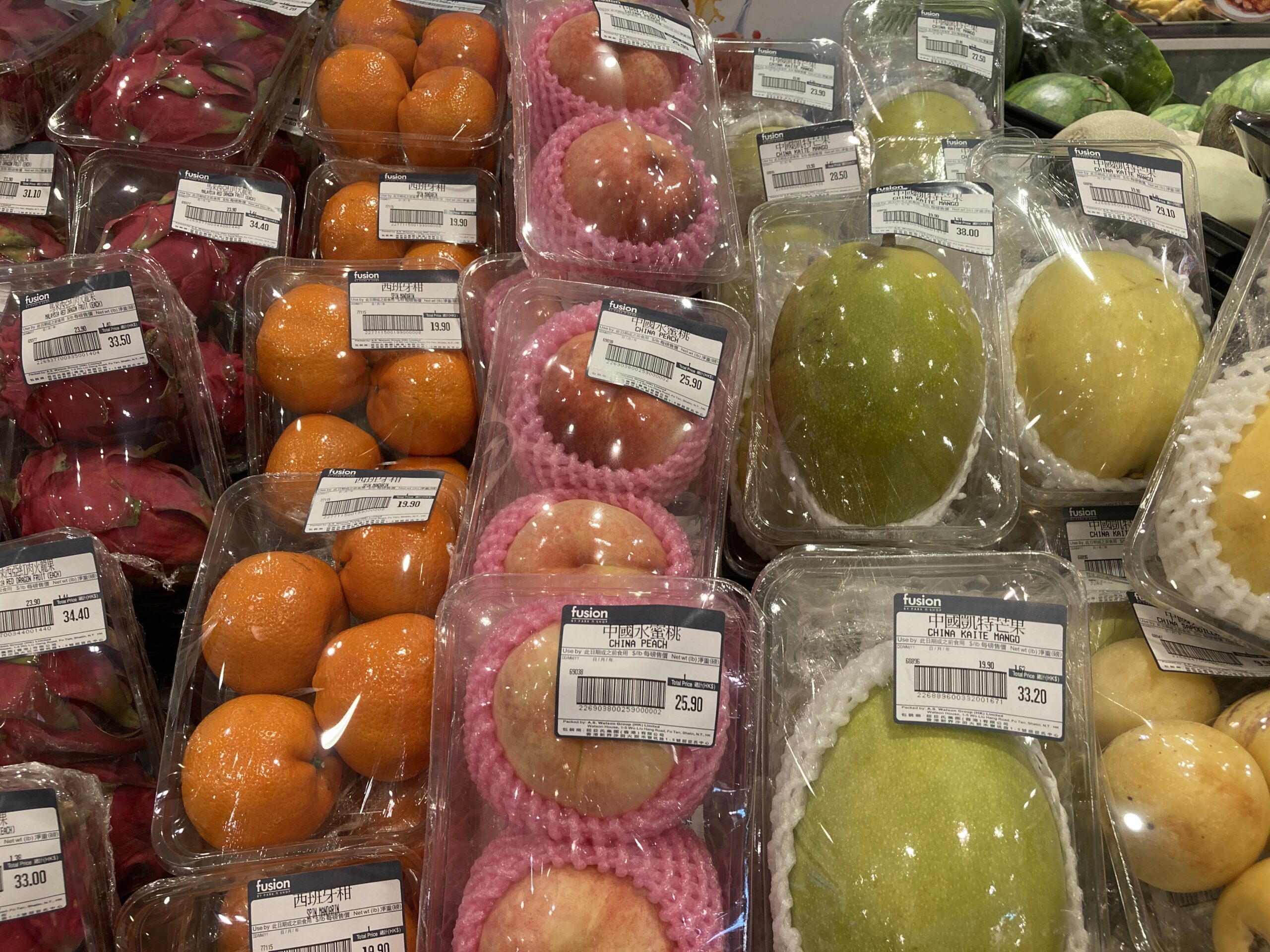
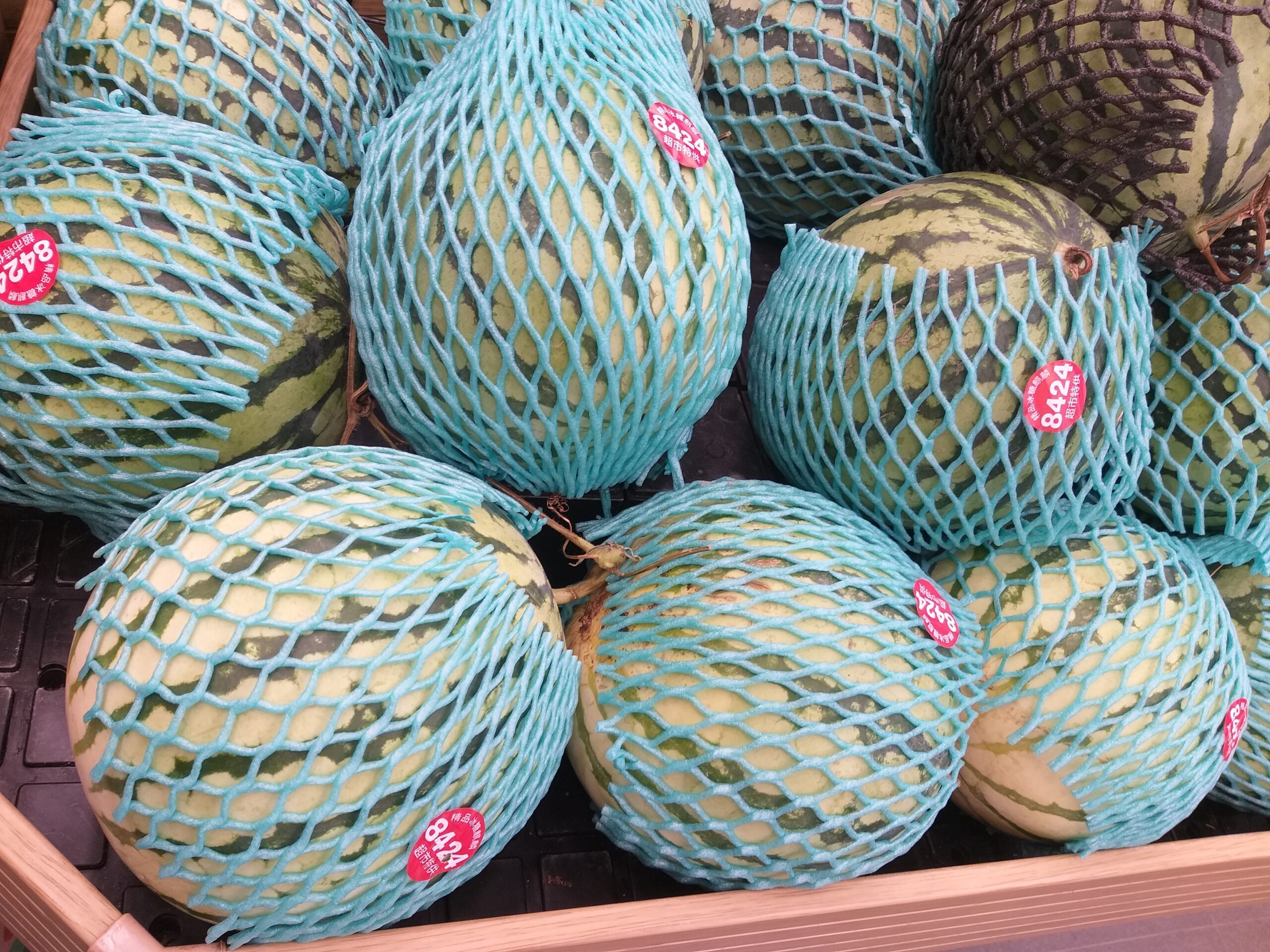
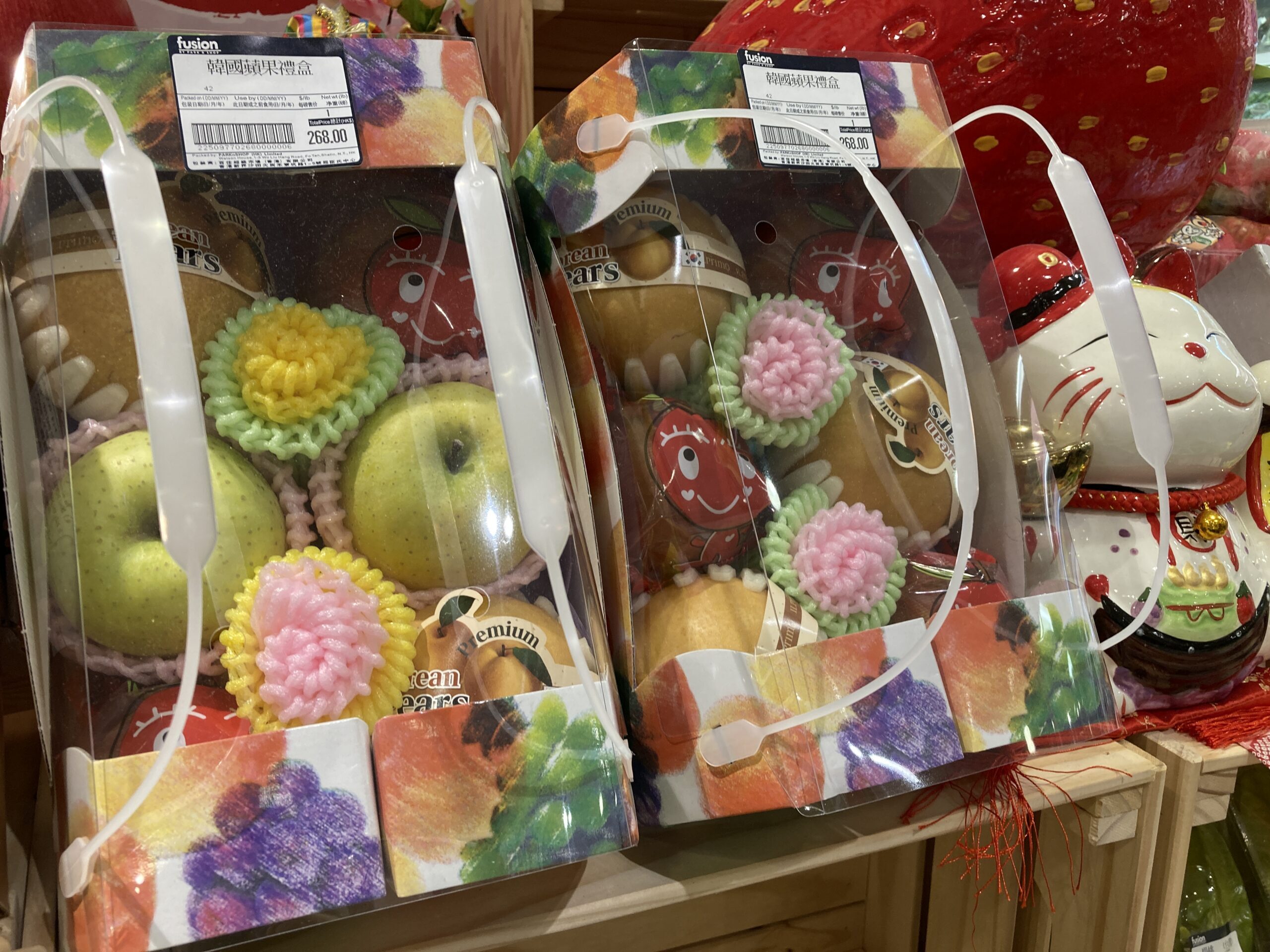
Dana and Mimi hope that this project will lead to a reduction on the excessive and decorative packaging unnecessarily used by Hong Kong’s supermarkets. In our interview with The Beat Asia, Dana explains how, over her 26 years living in the city, she has seen bananas wrapped in cling film, excessive packaging on Japanese fruit boxes with pears and oranges, thick plastic boxes engulfing mangoes and dragon fruits, and mesh netting sleeves on watermelons and coconuts.
“If [the packaging] is done in-house, [supermarkets] can get rid of that instantly,” Dana says, referring to public pressure on how specific supermarkets are packaging their produce. “[Plastic packaging] [f]rom the producer? Let’s get a conversation going about this and how to tackle this.”
This is “the biggest ask at the moment” for our volunteers and supporters of our cause, she explains. “[Our team] have an opportunity right now to make a difference” to change unnecessary packaging in Hong Kong supermarkets.
Whilst produce packaging provides varied perceived benefits to protect fragile products, extending shelf life, brand promotion and production information, and perceived hygiene, the negatives associated with overpackaging with single-use plastics lead to non-recyclable waste, damage of the marine environment, and encouraging over purchasing of foodstuff.
The two most collected items at PFS’s beach cleanups are food and beverage packaging, indicative of the issue at hand of overconsumption of plastic products and the overuse of plastic wrapping with fruit and vegetables.
Those interested in joining the project can find out more on the project page.
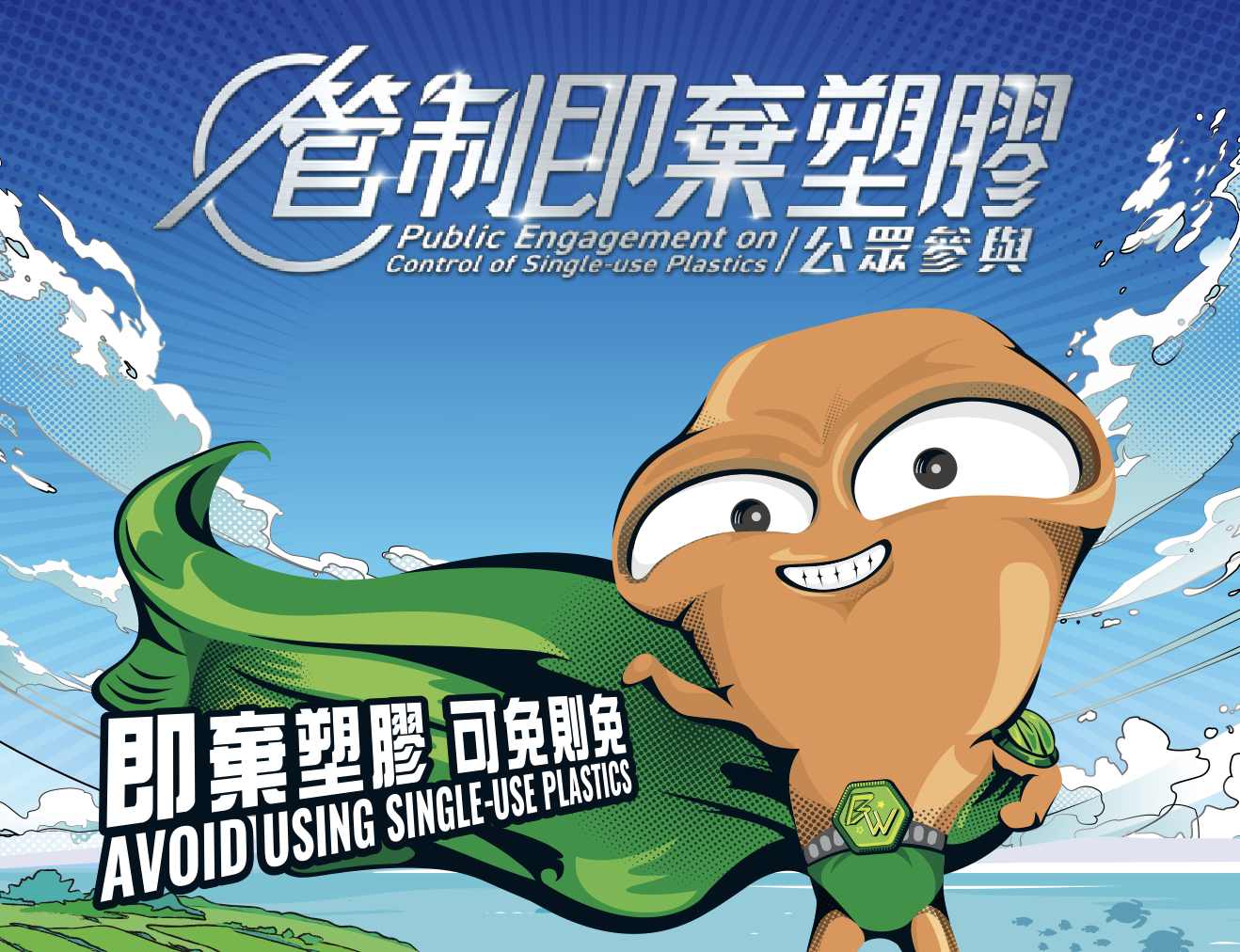
PFS’s project coincides with a government-run public consultation lasting until Dec. 29, surveying public opinion on the use of single-use plastics in Hong Kong, such as hotel toiletries, online shopping packaging, grocery store food trays, festival products, and umbrella bags. A form is provided for the public to share views of plastic usage in Hong Kong, and to “shape the future of single-use plastic in Hong Kong.”
Besides this project about plastic packaging in supermarkets, education in local and international schools on the issues of plastic pollution and threats to Hong Kong’s marine life is ongoing. PFS’s former projects have merged environmental education with interactive activities exploring the rich marine life of Hong Kong.
From 2014 to 2016, PFS participated in the “Coastal Watch,” a project with aim to rid Hong Kong’s coastlines of plastic waste and trace the source of marine litter by performing litter and ecological surveys. The project was designed to assist government groups in formulating long-term solutions to the marine litter problem Hong Kong’s coastline faces.
To raise awareness of Hong Kong’s devastating addiction to plastic – with 5 million plastic beverage bottles ending up in landfills every day in the city – PFS launched the “PFS Sea Classroom” in 2014, operating a 15.6-metre converted fish trawler for two -and -a -half years as a space for experiential classroom for exploring plastic marine pollution and sustainability. The project lasted until 2017.
Students were able to explore the damage plastic is doing to marine life around the southside of Hong Kong Island, test the water for pH levels, acidity, turbidity, and contamination, and learn of practical ways to protect Hong Kong’s seas from plastic.
Plastic Free Seas offers free educational talks, speaker hours, workshops, and Q&A sessions with a focus on what steps can be taken to limit personal plastic consumption and campaign for less plastic in Hong Kong’s supermarkets and seas.
Schools, groups, and organizations can find out more about PFS’s free educational packages and tours on the PFS website.
Subscribe to The Beat's newsletter to receive compelling, curated content straight to your inbox! You can also create an account with us for free to start bookmarking articles for later reading.